Every January, the tennis world turns to Melbourne for the first Grand Slam of the year. Today the Australian Open is a huge, modern event under retractable roofs. But it began in 1905 as a small championship on a Melbourne cricket ground, and for much of its history it was a wandering tournament, staged in cities across Australia and even New Zealand.
1905
First held
As the Australasian Championships
1924
Major status
Designated by the ILTF
1988
Melbourne Park
Move to hard courts
Before 1905
Before 1905, each Australian colony and New Zealand held its own championships. The first was organised in Melbourne in 1880, as the Championship of the Colony of Victoria, later called the Championship of Victoria. Read about this era in our early pioneers guide.
The first Australasian Championships
The tournament that became the Australian Open was first played in November 1905 at the Warehouseman's Cricket Ground in Melbourne. The tournament is managed by Tennis Australia, formerly the Lawn Tennis Association of Australia.
A travelling tournament
For decades, the championship moved around. Since 1905 it has been staged in five Australian cities, Melbourne, Sydney, Adelaide, Brisbane and Perth, and twice in New Zealand, in Christchurch in 1906 and Hastings in 1912. Melbourne has hosted it most often.
Dates moved too. The 1919 tournament was held in January 1920, the 1920 event in March, and the 1923 championship in Brisbane in August, when the weather was cooler and drier. Distance was a constant challenge: when the event was held in Perth, players from Victoria or New South Wales faced a train journey of about 3,000 kilometres.
Becoming a major
Although it began in 1905, the international federation did not designate the championship a major until 1924, after a meeting held in 1923. It became the Australian Championships, and later the Australian Open.
The Open Era
In 1969, the first Australian Open was held on the Milton Courts in Brisbane, open to professionals and amateurs alike. Rod Laver won it on the way to his second Grand Slam. Read our Rod Laver guide.
Despite the change, many top players skipped the tournament until 1982, apart from 1969 and 1971. Reasons included the remoteness of Australia, inconvenient dates around Christmas and New Year, and low prize money.
Kooyong years
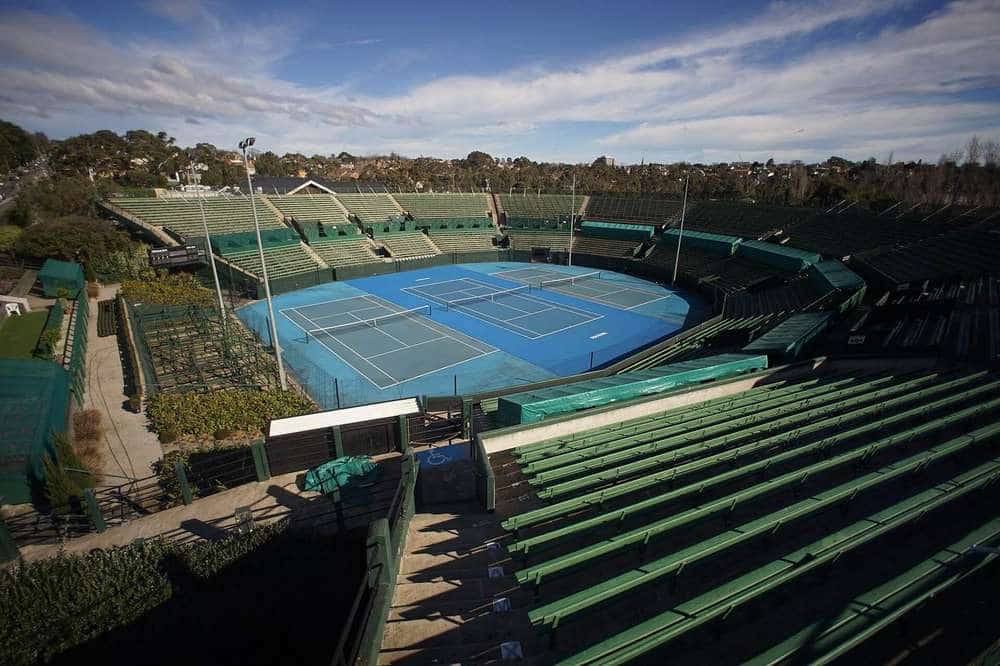
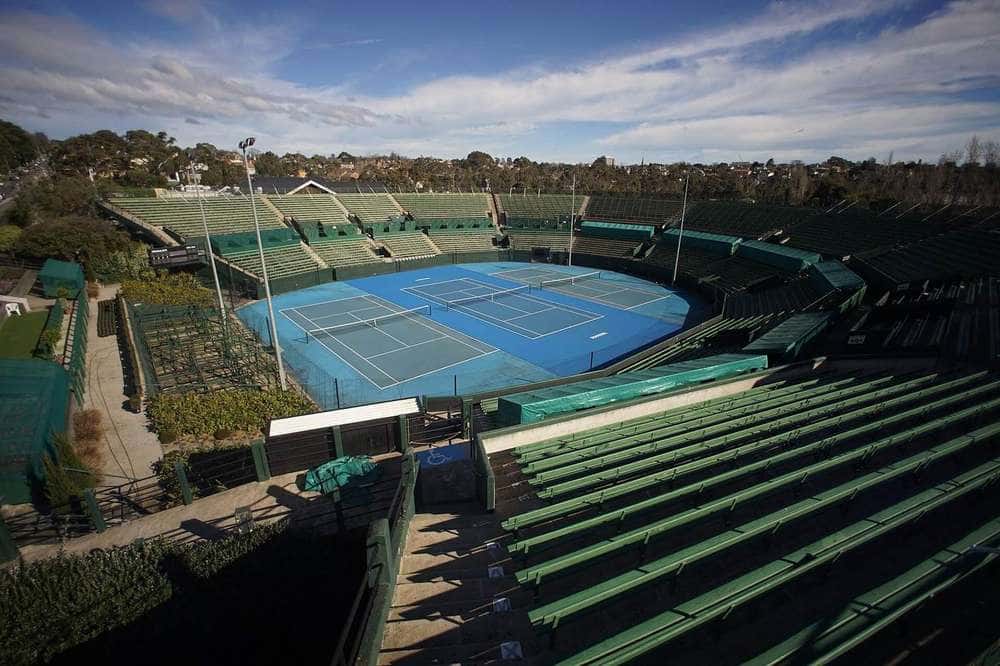
In 1972, it was decided to stage the tournament in Melbourne every year, because Melbourne attracted the biggest crowds of any Australian city. The championship was played at the Kooyong Lawn Tennis Club from 1972 to 1987, the last years of the Australian Open on grass.
Melbourne Park and hard courts
By the 1980s, the tournament had outgrown Kooyong. In 1988 it moved to the new Flinders Park complex, now Melbourne Park, and switched to hard courts. The move was an immediate success: attendance rose by about 90 per cent, from 140,000 at Kooyong in 1987 to 266,436 in 1988.
| Surface | Years |
|---|---|
| Grass | 1905–1987 |
| Rebound Ace (green) | 1988–2007 |
| Plexicushion (blue) | 2008–2019 |
| GreenSet (blue) | Since 2020 |
Roofs and the Happy Slam
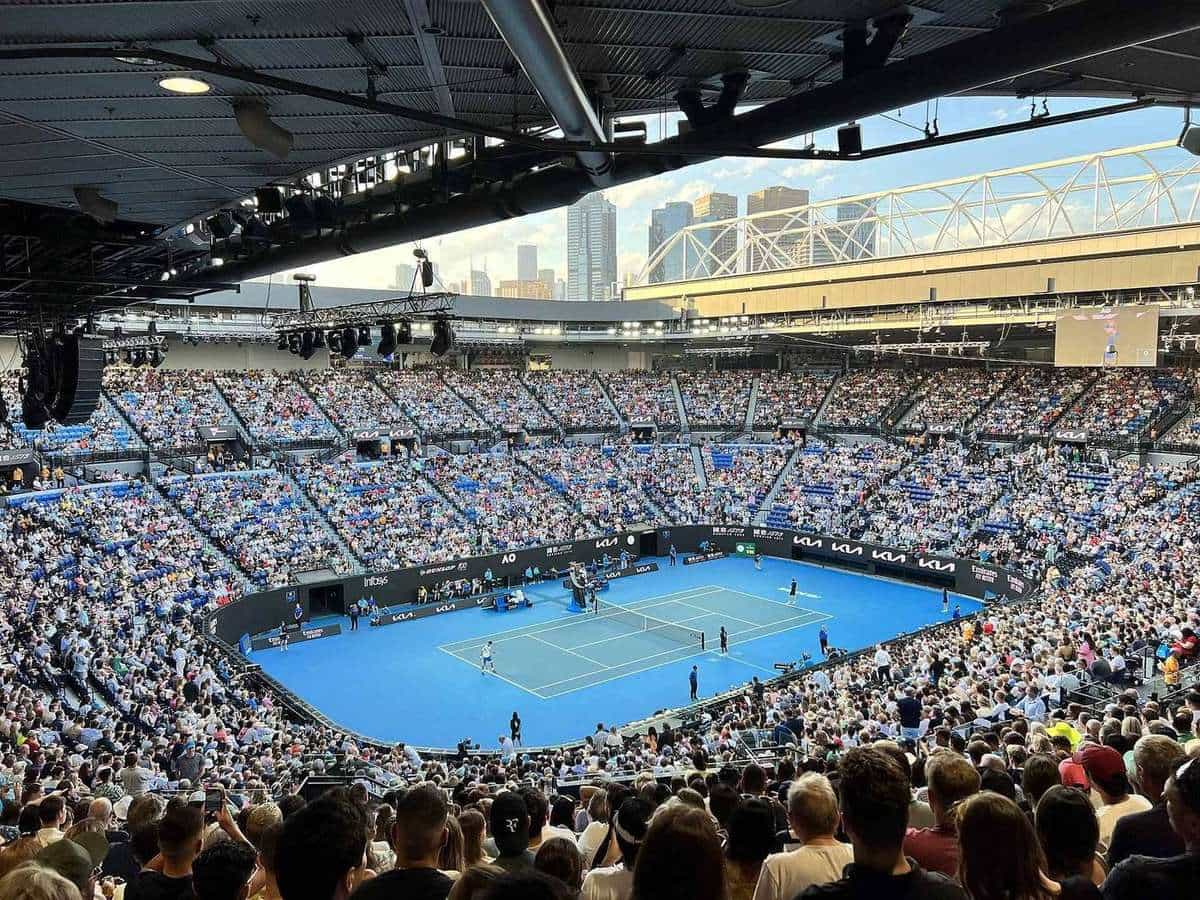
The Australian Open was the first Grand Slam event to offer indoor play during rain or extreme heat, using retractable roofs over its three main courts: Rod Laver Arena, John Cain Arena and Margaret Court Arena. Nicknamed the Happy Slam, it is now the best-attended Grand Slam event, with more than 1.36 million people attending the 2026 tournament including qualifying.
The tournament today
The Australian Open typically starts in mid-January and runs for two weeks, ending with the men's final on the last Sunday of the month. It includes singles and doubles events, junior championships, wheelchair events, legends matches and exhibitions.
Key dates
| Year | Milestone |
|---|---|
| 1880 | First colonial championship, in Melbourne |
| 1905 | First Australasian Championships, Melbourne |
| 1906 | Held in Christchurch, New Zealand |
| 1924 | Designated a major |
| 1969 | First Australian Open, Brisbane |
| 1972 | Settles in Melbourne at Kooyong |
| 1988 | Moves to Flinders Park and hard courts |
| 2020 | GreenSet surface introduced |
Trophies
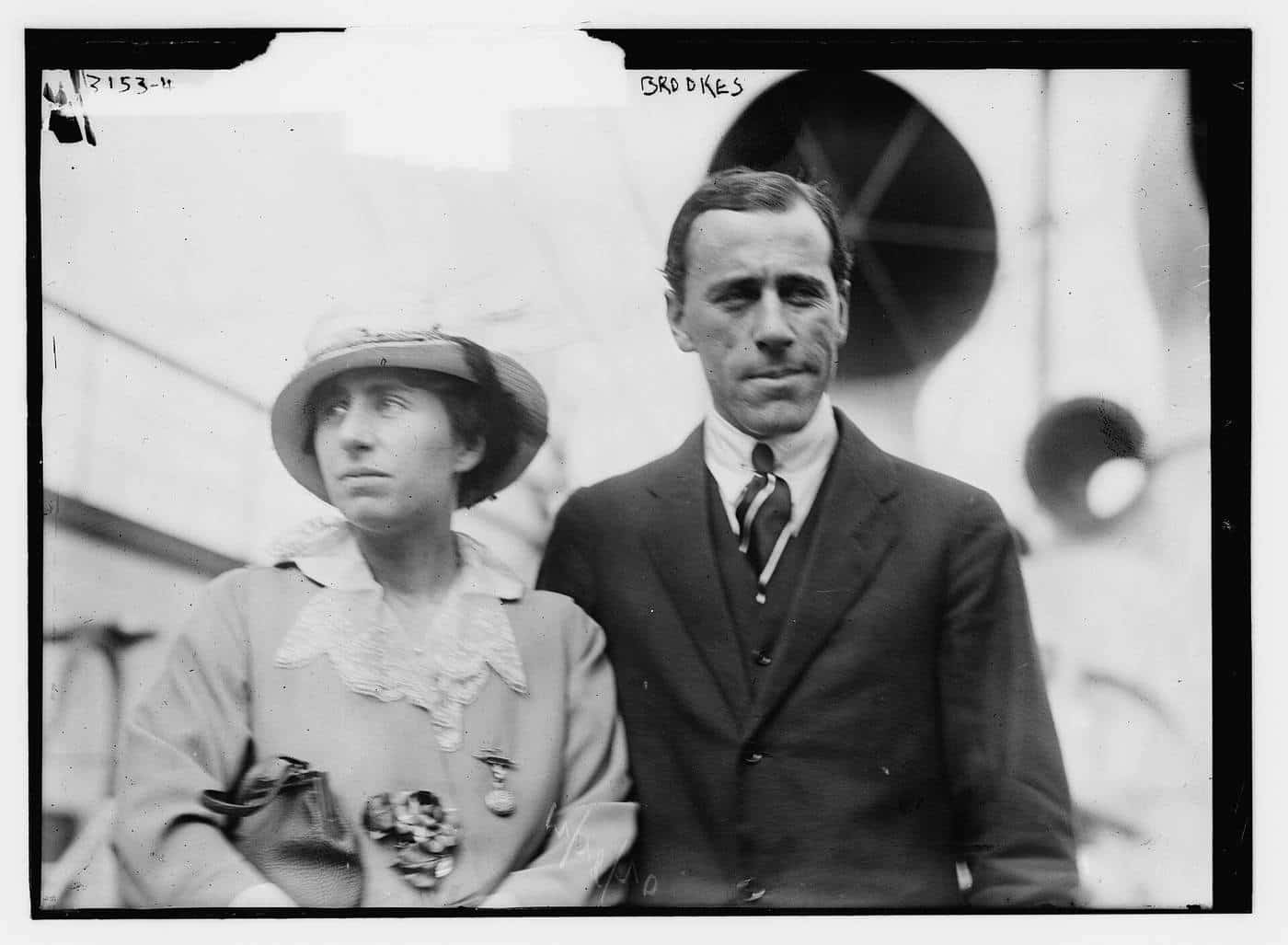
The men's singles trophy is the Norman Brookes Challenge Cup, named after the pioneering champion. Read our early pioneers guide.
Why it matters
The Australian Open's story mirrors Australian tennis itself: humble beginnings, great champions, a struggle with distance and, finally, a modern event that stands alongside the world's best.
Surfaces through the decades
For most of its history the championship was a grass-court event. That changed in 1988, when the tournament moved to the new hard courts at what was then called Flinders Park. Three hard-court surfaces have been used since. Green Rebound Ace was laid from 1988 to 2007. Blue Plexicushion replaced it from 2008 to 2019. Blue GreenSet has been used since 2020. Each change altered how the courts played and how they looked on television. Players who had grown up on grass at Kooyong had to adjust to a bounce that was higher and more predictable. Later generations knew nothing else.
The switch matters to historians because it divides the records into two eras. Comparing a grass-court champion of the 1960s with a hard-court champion of the 2010s means comparing different games. The balls, rackets and conditions changed as well as the surface. So the fairest way to read the honour roll is era by era, not as one continuous ladder.
How to read the early honour roll
Early results need some care. The first championships were played as the Australasian Championships, with players from New Zealand eligible. The tournament moved between cities and, for decades, many leading overseas players did not make the long sea voyage to Australia. Fields were often largely local. This does not make the early champions any less real, but it explains why some famous names from Europe and the United States are missing from the early lists.
The Open Era, from 1969, brought professionals back. Even then, attendance by the world's top players varied through the 1970s and early 1980s, partly because of the tournament's December and January dates. Moving to Melbourne Park in 1988 and settling into a mid-January slot helped make it a fixture for every leading player.
The tournament's place today
The Australian Open is organised by Tennis Australia and is the first of the four Grand Slam tournaments each year. It usually starts in the middle of January and runs for two weeks, with the men's final traditionally on the last Sunday of the month. As well as the singles and doubles, the event includes junior, wheelchair and legends competitions. Its nickname, "the happy slam", reflects its relaxed summer atmosphere. Its three main courts, Rod Laver Arena, John Cain Arena and Margaret Court Arena, all have retractable roofs.
A note on sources
We check each fact on this page against the references listed below, and we remove claims we cannot verify rather than guess. Records in tennis are sometimes revised as historians study old results more closely, particularly for the amateur and professional tours before 1968. If you spot an error, please use our contact page and include a source, and we will review it. This guide is general historical information. It is not affiliated with any player, club or governing body.
Frequently asked questions
When was the first Australian Open?
The tournament was first held in November 1905 as the Australasian Championships at the Warehouseman's Cricket Ground in Melbourne.
When did it become a Grand Slam?
The international federation designated it a major championship in 1924, following a meeting in 1923.
Where has the Australian Open been held?
It has been staged in five Australian cities, Melbourne, Sydney, Adelaide, Brisbane and Perth, and in two New Zealand cities, Christchurch (1906) and Hastings (1912). It settled permanently in Melbourne from 1972.
When did the Australian Open move to Melbourne Park?
In 1988, from the grass courts of Kooyong to the new hard courts of Flinders Park, now Melbourne Park.
What surface is the Australian Open played on?
Hard courts. It used green Rebound Ace from 1988 to 2007, blue Plexicushion from 2008 to 2019 and blue GreenSet since 2020.
Why is it called the Happy Slam?
The nickname reflects its relaxed, festive atmosphere. It is also the best-attended Grand Slam event.
Who organises the Australian Open?
Tennis Australia, formerly the Lawn Tennis Association of Australia.
Why did top players once skip it?
Until 1982, many leading players missed it because of the distance, dates around Christmas and New Year, and low prize money, except in 1969 and 1971.
Sources and further reading
Facts on this page were checked against these primary and official sources. Conditions change — confirm before you travel or buy.
- Australian Open — Wikipedia
- Kooyong Stadium — Wikipedia
- Melbourne Park — Wikipedia
- Tennis Australia — Wikipedia