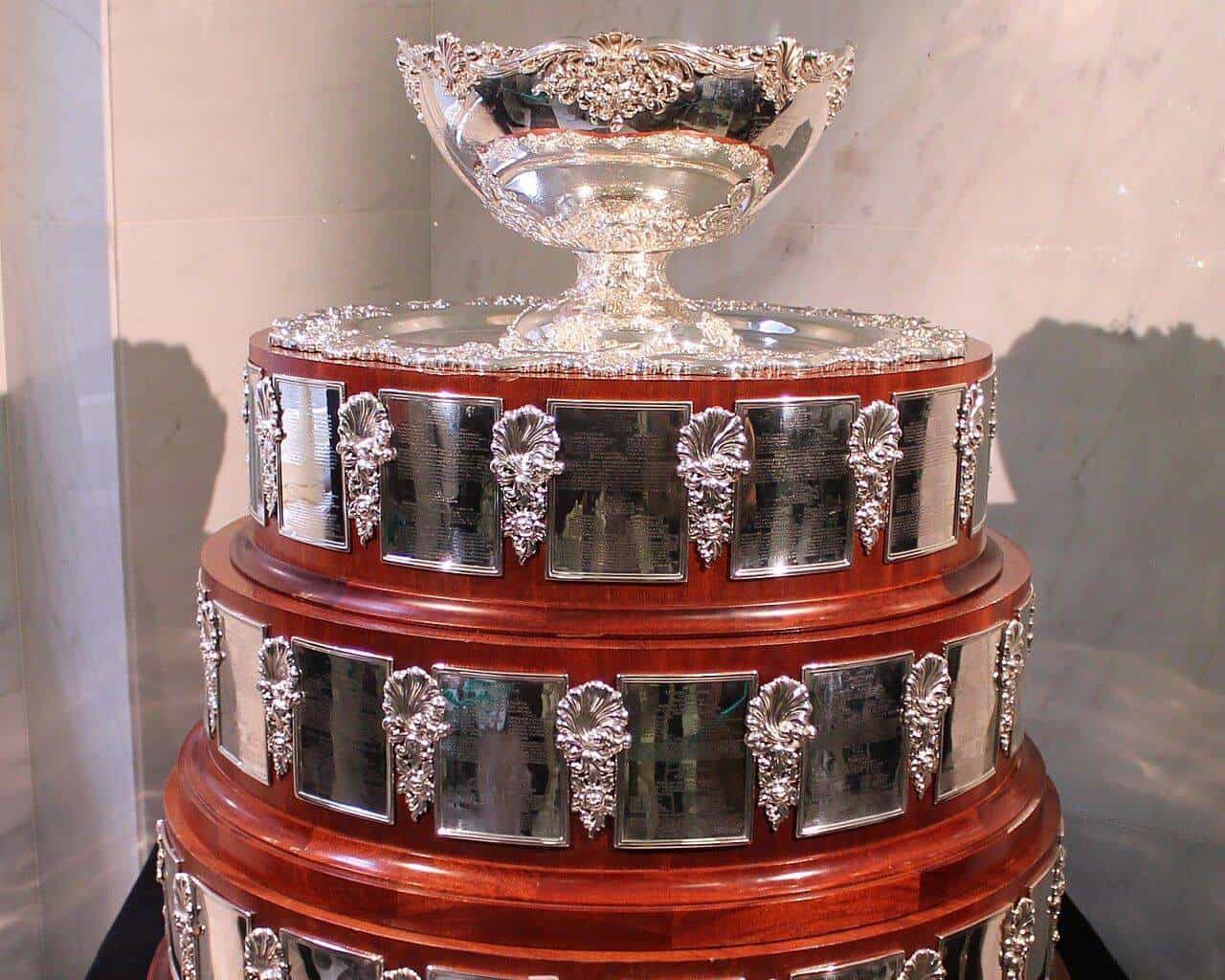
For much of the twentieth century, the Davis Cup was the biggest prize in men's tennis, and Australia was its most formidable competitor. Between 1950 and 1967, Australia won the cup 15 times. Its rivalry with the United States defined the competition, and its captains and players became national heroes.
28
Titles as Australia
Second only to the USA
16
Hopman's titles
As captain, 1939–1967
25
Straight challenge rounds
1938 to 1968
Australasia: 1905–1922
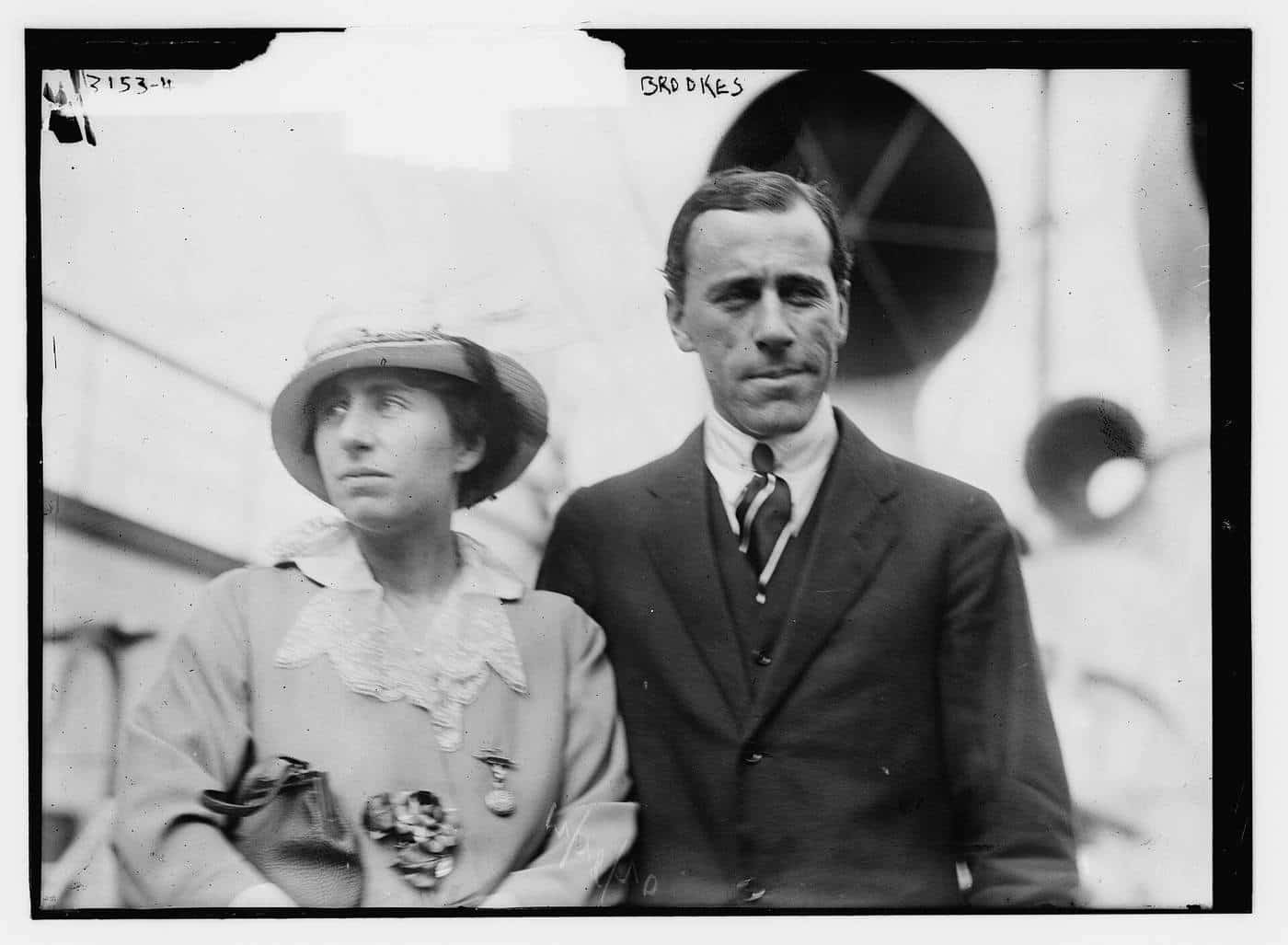
Australian players first played Davis Cup tennis in 1905, as part of Australasia, a combined team with New Zealand. The team won the cup six times, in 1907, 1908, 1909, 1911, 1914 and 1919, led by Norman Brookes and the New Zealander Anthony Wilding. Read our early pioneers guide.
The fledgling years: 1923–1937
Australia first competed as a stand-alone team in 1923, reaching the challenge round and losing 1–4 to the United States in New York. Over the following years, Australia was competitive but did not win the cup.
Hopman and dominance: 1938–1968
Harry Hopman, born in Glebe, Sydney, in 1906, was captain-coach of 22 Australian Davis Cup teams from 1939 to 1967, winning the cup a record 16 times. Australia won in 1939, then, after World War II, in 1950, 1951, 1952, 1953, 1955, 1956, 1957, 1959, 1960, 1961, 1962, 1964, 1965, 1966 and 1967. It won four in a row on three occasions: 1950–53, 1959–62 and 1964–67. Australia reached 25 consecutive challenge rounds from 1938 to 1968.
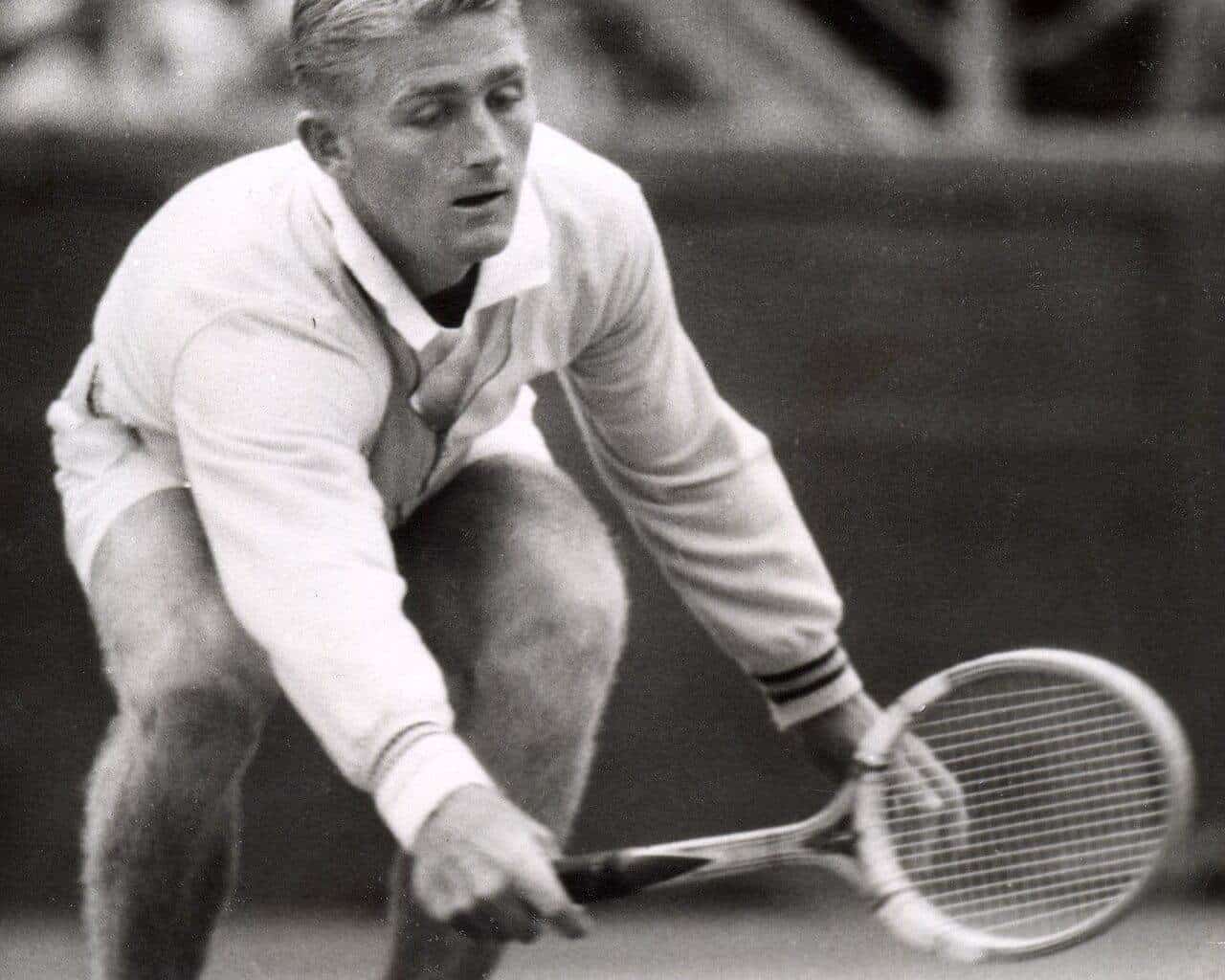
Hopman's players included Frank Sedgman, Ken McGregor, Lew Hoad, Ken Rosewall, Rod Laver, Neale Fraser, John Newcombe, Fred Stolle, Tony Roche, Roy Emerson, Ashley Cooper and many more. Roy Emerson was a member of a record eight winning teams between 1959 and 1967. Read our golden era guide.
The rivalry with the United States
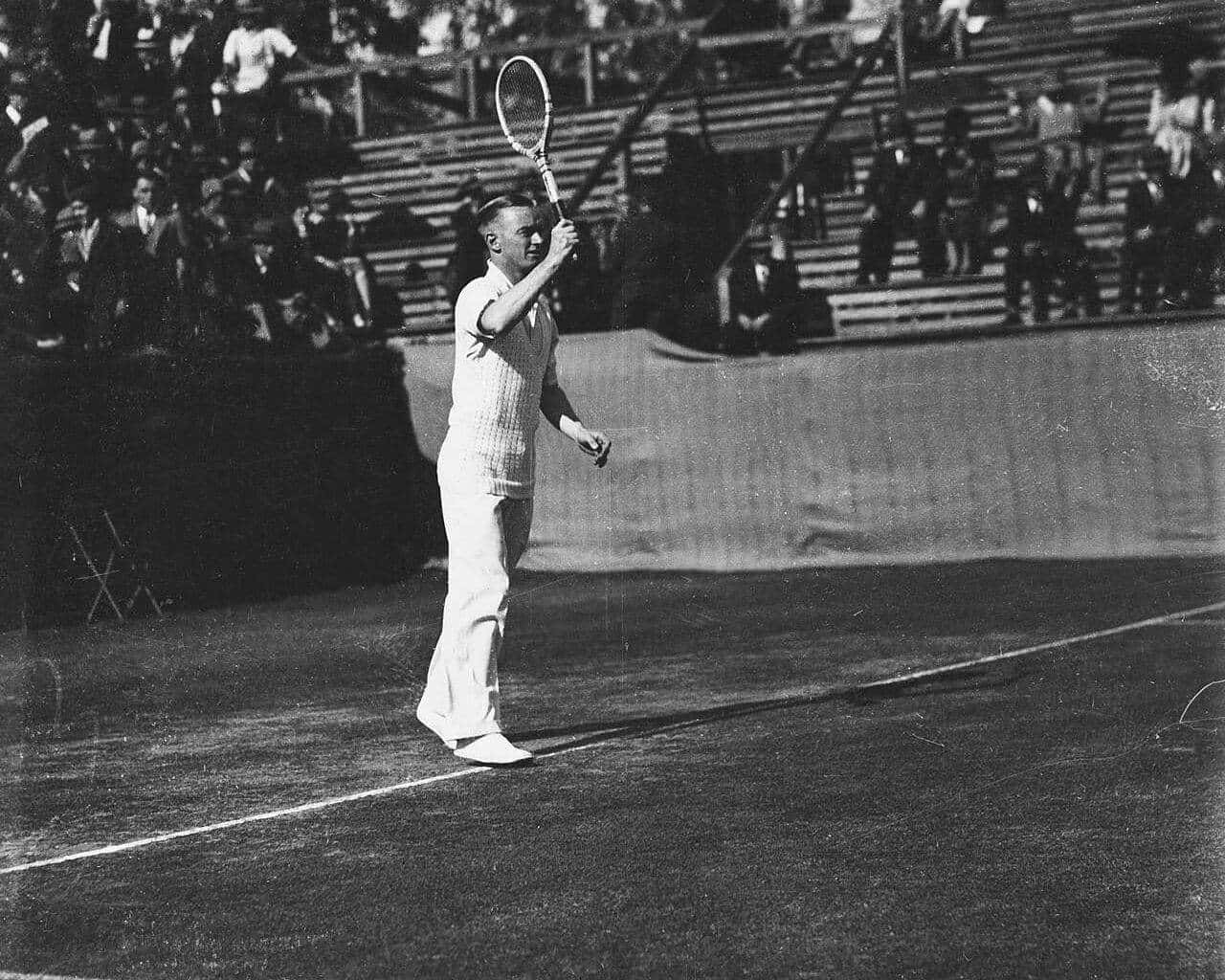
From 1937 to 1973, only Australia and the United States won the Davis Cup, and 31 of those deciding ties were between the two nations.
After Hopman: 1968–2003
Australia won in 1973, then in 1977, 1983 and 1986. The 1986 final at Kooyong saw Australia beat Sweden 3–2, with Pat Cash beating Stefan Edberg and then winning the deciding rubber from two sets down against Mikael Pernfors. Australia then reached the final four times between 1999 and 2003, winning in 1999 and 2003.
| Period | Titles |
|---|---|
| Australasia (1905–1922) | 6 |
| 1939 | 1 |
| 1950–1967 | 15 |
| 1973–1986 | 4 |
| 1999–2003 | 2 |
| Total as Australia | 28 |
Lleyton Hewitt's era
Lleyton Hewitt led Australia to titles in 1999 and 2003. In the 2003 semi-final, he came back from two sets down to beat Roger Federer. He holds Australian records for most years played (19), most ties (43) and most matches (79). Read about modern Australian champions.
Format changes
The Davis Cup format has changed several times. The old challenge round system, where the holder played only the final, gave way to a knockout competition. The World Group ran from 1981 to 2018, and since 2019 the competition has culminated in the Davis Cup Finals.
Captains
There have been 19 Australian Davis Cup captains since the country's first participation in 1905 as Australasia. Hopman holds the record for most consecutive titles won by a captain.
Why the Davis Cup mattered
Before the Open Era, the Davis Cup was seen as almost as significant as the majors. For a nation far from Europe and America, it was a chance to beat the best in front of home crowds. Many of Australia's greatest players regarded Davis Cup success as a career highlight.
Key dates
| Year | Milestone |
|---|---|
| 1905 | Australasia debuts |
| 1907 | First title as Australasia |
| 1923 | First year as Australia |
| 1939 | First title as Australia |
| 1950–53 | Four straight titles |
| 1986 | Cash's heroics at Kooyong |
| 2003 | 28th title |
Australia's record in numbers
Australia has won the Davis Cup 28 times as a standalone nation, second only to the United States with 32. Before 1923, Australian players also competed with New Zealand players under the name Australasia, and that combined team won the cup six times, in 1907, 1908, 1909, 1911, 1914 and 1919. Anthony Wilding was the only New Zealander to play for Australasia during that period. Together with Norman Brookes, he formed the core of those early winning teams.
The early years were difficult once Australia competed alone. In its first year as a standalone team, in 1923, the side reached the challenge round but lost 1–4 to the United States in New York. Long sea journeys, limited funding and a small player base meant that Australia often travelled to play the holders on their home ground. These conditions make the team's later run of success all the more striking.
Home ties and famous venues
Davis Cup ties in Australia have been played at many venues, from grass courts at Kooyong and White City in Sydney to temporary courts in other cities. Kooyong hosted the 1986 final, when Australia beat two-time defending champions Sweden 3–2 in late December. In March 2016 the stadium also hosted a tie against the United States on a portable grass court, showing how the choice of surface remains part of home-ground tactics.
For many Australians the Davis Cup was, for decades, the main way to watch the country's best players at home. Before the Open Era, most of the year's top tennis was played overseas. A home challenge round brought those players back in front of local crowds and attracted large attendances and newspaper coverage.
Learning more
Results for every tie are published by the ITF, which runs the competition. Wikipedia's article on the Australia Davis Cup team gives a year-by-year summary. Our timeline links each major Davis Cup milestone to the guides on this site.
Hewitt's two titles
Lleyton Hewitt led Australia to the Davis Cup in 1999 and 2003. He was world No. 1 for 80 weeks and, on 19 November 2001, became the youngest man to reach No. 1 at 20 years and 268 days. His fighting style suited the team format, and he later became Australia's captain.
A note on sources
We check each fact on this page against the references listed below, and we remove claims we cannot verify rather than guess. Records in tennis are sometimes revised as historians study old results more closely, particularly for the amateur and professional tours before 1968. If you spot an error, please use our contact page and include a source, and we will review it. This guide is general historical information. It is not affiliated with any player, club or governing body.
Related guides
Explore the golden era, Rod Laver and Kooyong and Melbourne Park.
Frequently asked questions
How many times has Australia won the Davis Cup?
Australia has won the Davis Cup 28 times, second only to the United States with 32. It also won six titles as Australasia with New Zealand.
When did Australia last win the Davis Cup?
Australia's most recent title, as recorded in our sources, was in 2003, when it beat Spain in the final.
Who was Australia's most successful captain?
Harry Hopman captained 22 Australian teams from 1939 to 1967 and won the cup 16 times.
What was Australasia?
From 1905 to 1922, Australia and New Zealand competed together as Australasia, winning in 1907, 1908, 1909, 1911, 1914 and 1919.
Who holds Australia's Davis Cup playing records?
Lleyton Hewitt holds records for most years (19), most ties (43) and most matches (79).
What was the Australia–USA rivalry?
From 1937 to 1973, only Australia and the United States won the Davis Cup, meeting each other in 31 finals or challenge rounds.
Which player won the most Davis Cups?
Roy Emerson was a member of a record eight Davis Cup-winning teams between 1959 and 1967.
How did the format change?
The challenge round system was replaced over time, the World Group ran from 1981 to 2018, and since 2019 the competition has culminated in the Davis Cup Finals.
Sources and further reading
Facts on this page were checked against these primary and official sources. Conditions change — confirm before you travel or buy.
- Australia Davis Cup team — Wikipedia
- Harry Hopman — Wikipedia
- Roy Emerson — Wikipedia
- Pat Cash — Wikipedia