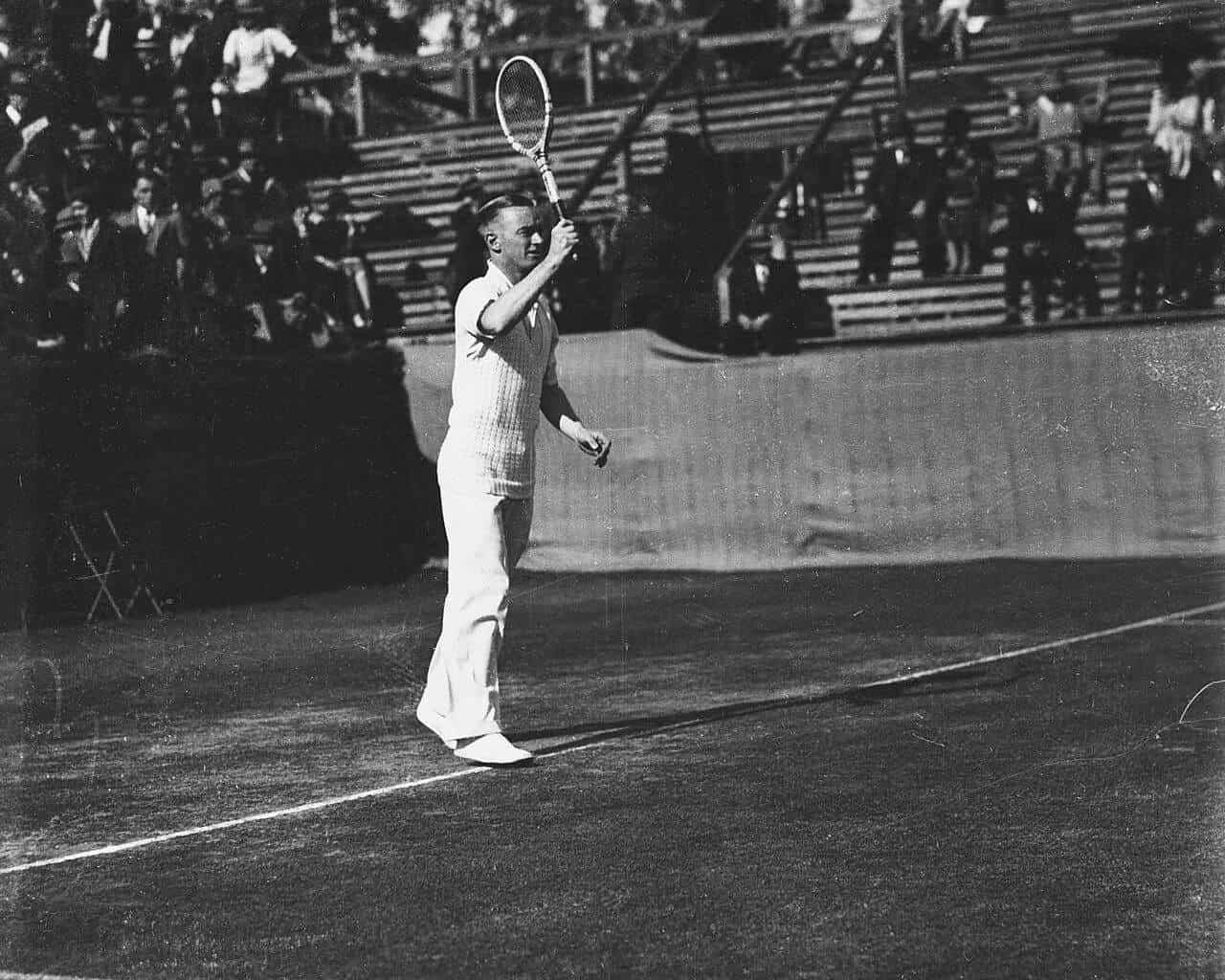
Australian tennis history falls naturally into eras: the colonial and Australasian years, when the sport took root and the first champions emerged; the golden era, when Australia dominated world tennis; and the Open Era, when the game turned professional and global. Running through all of them is the Davis Cup, the competition that defined Australian tennis for much of the twentieth century.
1880
First championship
Colony of Victoria
1950–67
15 Davis Cups
The golden era
1968
Open Era begins
Pros and amateurs together
Our guides
The early pioneers
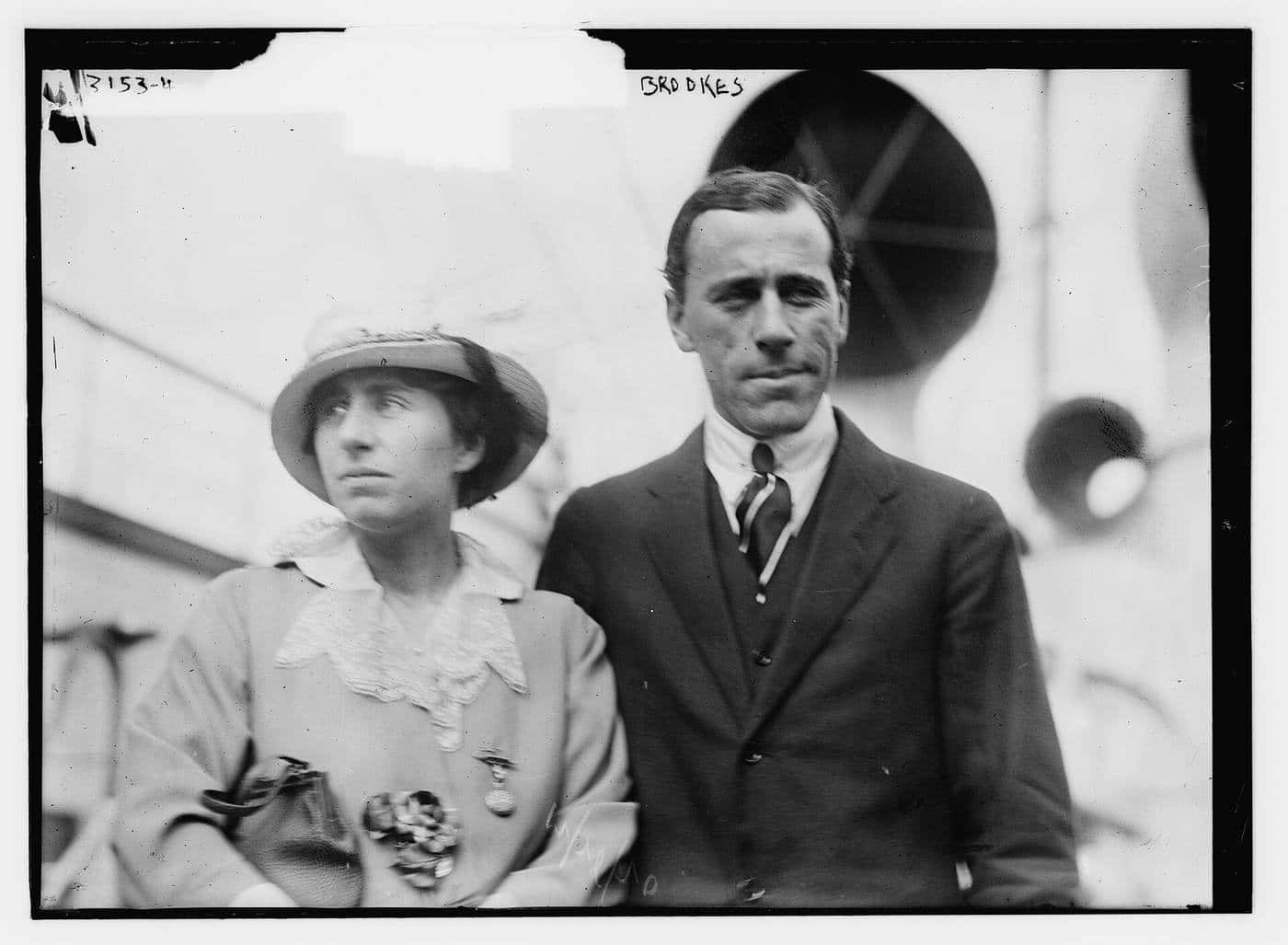
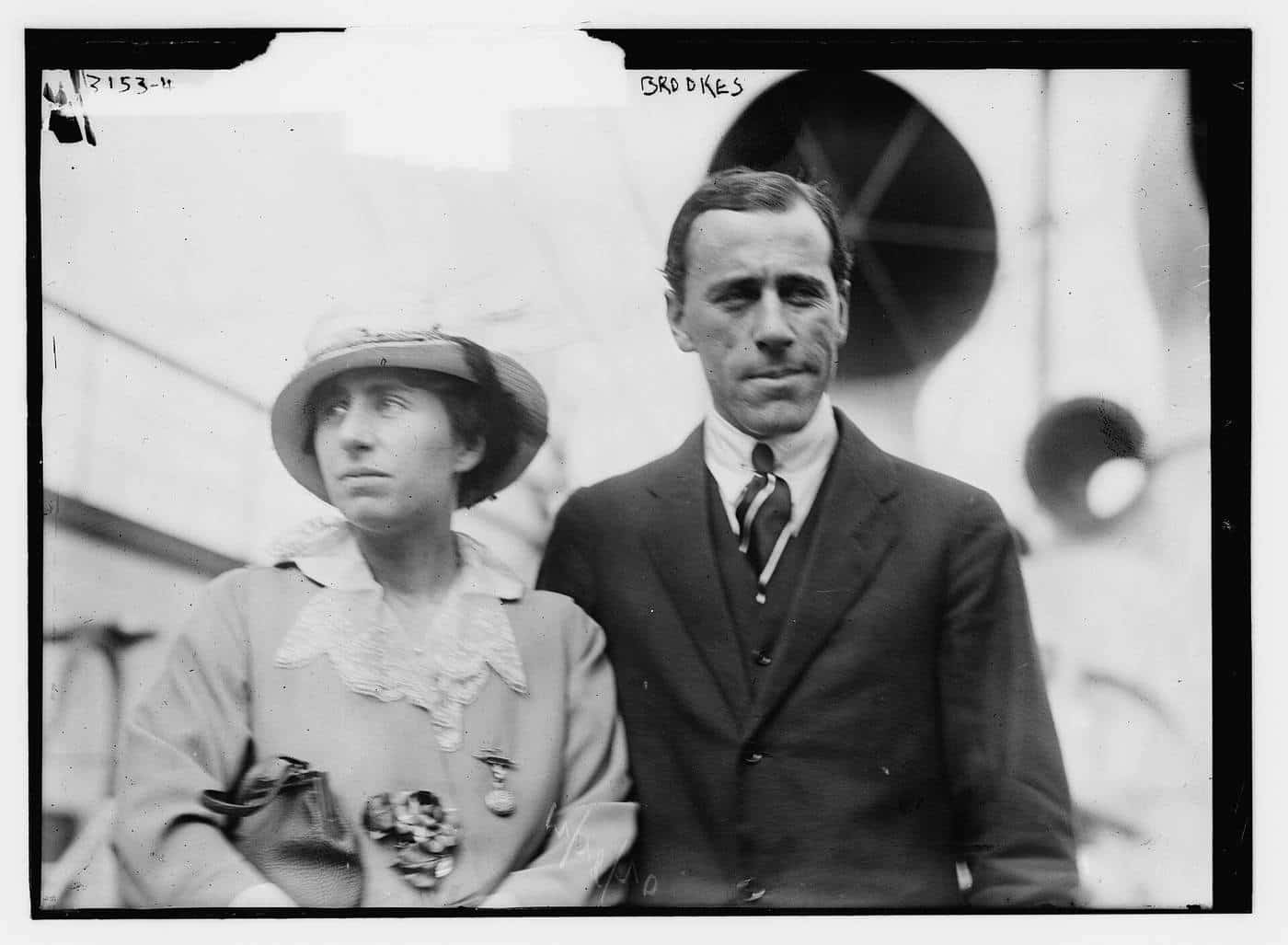
Colonial championships from 1880, the first Australasian Championships in 1905, Norman Brookes's Wimbledon titles in 1907 and 1914, and Australasia's six Davis Cups. Read our early pioneers guide.
The golden era
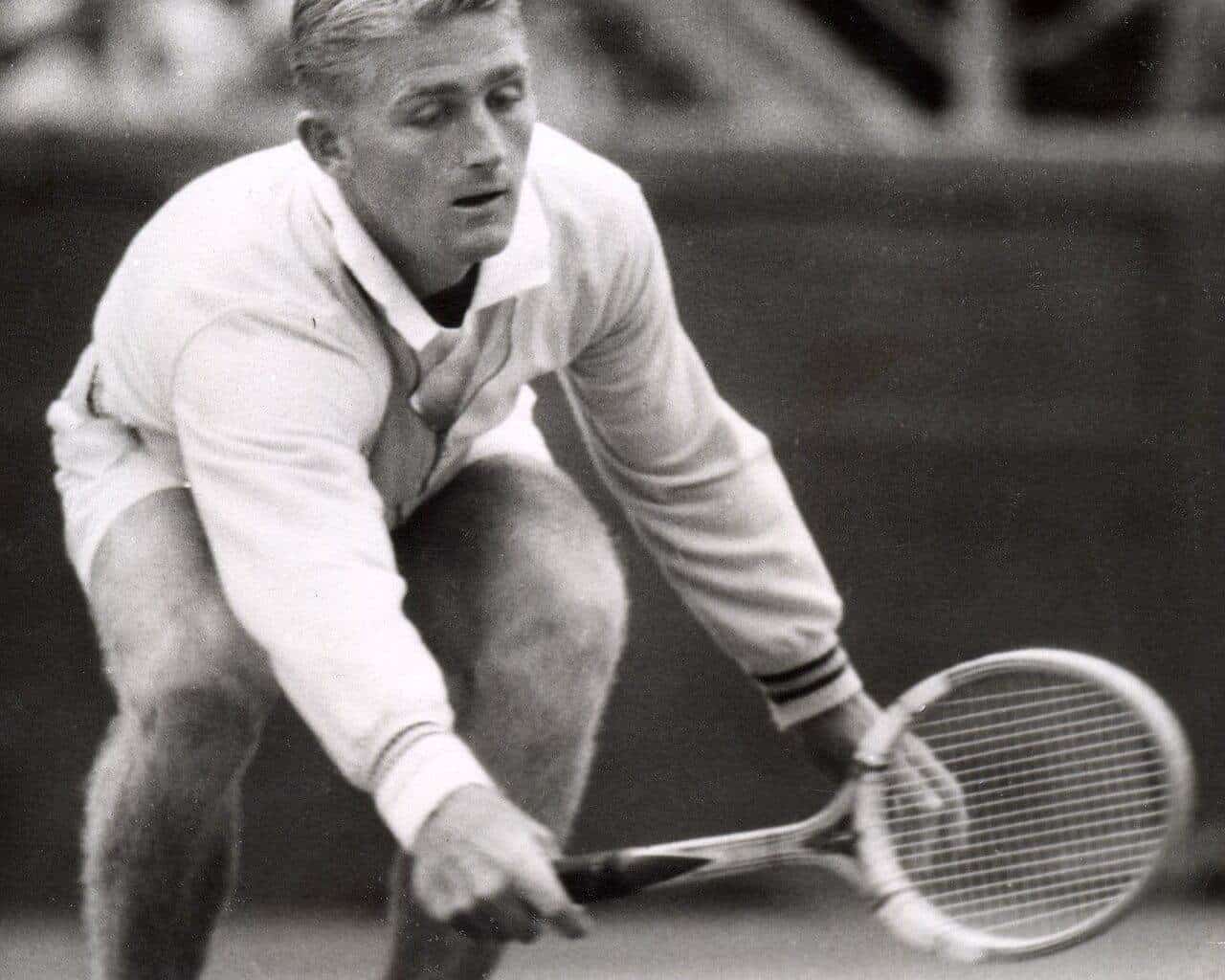
Harry Hopman, Frank Sedgman, Lew Hoad, Ken Rosewall, Roy Emerson, John Newcombe and Tony Roche. Read our golden era guide.
Australia and the Davis Cup
28 titles as Australia, six as Australasia, and Hopman's record 16 wins as captain. Read our Davis Cup guide.
Eras at a glance
| Era | Years | Highlights |
|---|---|---|
| Pioneers | 1880–1922 | Colonial championships, Brookes, Australasia |
| Between the wars | 1923–1949 | Major status for the Australian Championships; Hopman's first Davis Cup |
| Golden era | 1950–1967 | Sedgman, Hoad, Rosewall, Emerson, Laver, Court |
| Open Era | 1968–1987 | Laver and Court Grand Slams, Goolagong, Cash |
| Modern | 1988–today | Melbourne Park, Rafter, Hewitt, Stosur, Barty |
Amateurs and professionals
For most of the twentieth century, the majors and Davis Cup were reserved for amateurs. Professionals played their own tours. Many Australian stars turned professional and disappeared from the majors until open tennis arrived in 1968. This split complicates comparisons across eras.
Between the wars
Australia began competing separately from New Zealand in the Davis Cup in 1923. The Australasian Championships were designated a major in 1924. Kooyong Stadium was built in 1927. Hopman led Australia to its first Davis Cup as a stand-alone nation in 1939.
The Open Era
From 1968, professionals and amateurs competed together. Rod Laver won his second Grand Slam in 1969 and Margaret Court her Grand Slam in 1970. Read our champions guide.
Equipment through the eras
Early rackets had wooden frames and natural gut strings. Later frames were made of steel, then aluminium, and today almost all adult rackets are made from graphite composites. Wooden rackets are considered obsolete, though they remain legal.
Why eras matter
Understanding the eras helps explain Australia's records and how its champions should be compared. A golden era amateur and a modern professional faced very different challenges.
Explore further
Read about the history of the Australian Open and Rod Laver, who bridged the amateur and professional eras.
Following the threads between eras
Several threads connect the eras. The first is the Davis Cup, which runs from Brookes and Wilding's Australasian teams in 1907 to Lleyton Hewitt's titles in 1999 and 2003. The second is the gap between amateur and professional tennis. Until 1968 professionals were barred from the majors and the Davis Cup, so many Australian champions spent their best years on a separate tour. The third is equipment and surfaces: wooden rackets and grass gave way to composite frames and hard courts, changing how the game was played.
A fourth thread is administration. The national body was founded in 1904 as the Lawn Tennis Association of Australasia, became the Lawn Tennis Association of Australia in 1906, and has been Tennis Australia since 1986. Former players, including Norman Brookes, moved into running the game. Their decisions shaped where tournaments were held and how players were selected.
Using the timeline
The interactive timeline on our home page arranges key events by era and links to the guide that explains each one. It is a good place to start if you want to see how the pioneer era leads into the golden era and then into the Open Era. Each entry is drawn from the same sources listed on the guide pages.
How we handle disputed history
Tennis history contains many disputed points: who was the best player of a period, how to compare amateur and professional records, and whether early fields were strong. We describe those debates rather than settle them. Where a fact is uncertain, we leave it out instead of guessing.
Where to start
New readers often start with the golden era, because its names are the best known. Those interested in how Australian tennis began should read the early pioneers guide first, then the Davis Cup history, which ties all the eras together.
Four eras at a glance
The pioneer era, from the first tournaments to the 1920s, belongs to Brookes, Wilding and the Australasian Davis Cup teams. The interwar years saw Australia compete alone and slowly build strength. The golden era, from about 1950 to the late 1960s, brought Hopman's teams and a run of world-class champions. The Open Era, from 1968, reunited amateurs and professionals and brought a new generation, from Newcombe and Goolagong Cawley to Cash, Rafter, Hewitt, Stosur and Barty.
A note on sources
We check each fact on this page against the references listed below, and we remove claims we cannot verify rather than guess. Records in tennis are sometimes revised as historians study old results more closely, particularly for the amateur and professional tours before 1968. If you spot an error, please use our contact page and include a source, and we will review it. This guide is general historical information. It is not affiliated with any player, club or governing body.
Guides in this section
Eras
The early pioneers
Early Australian tennis: the first tournaments from 1880, the Australasian Championships, Norman Brookes, Anthony Wilding and Australasia's Davis Cups.
Read · 5 min
Eras
The golden era
The golden era of Australian tennis, 1950 to the early 1970s: Harry Hopman, Frank Sedgman, Lew Hoad, Ken Rosewall, Roy Emerson, John Newcombe and Tony Roche.
Read · 5 min
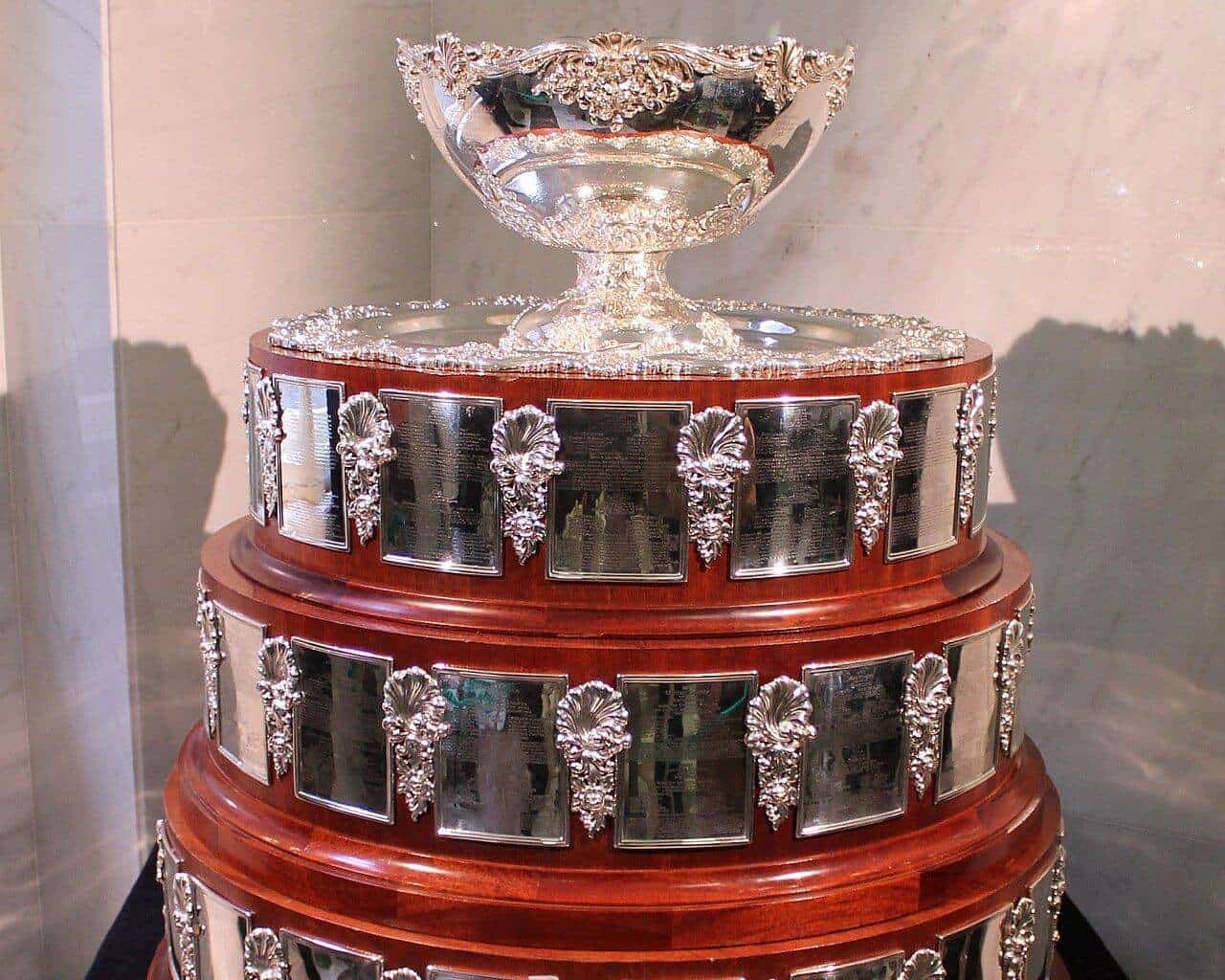
Eras
Australia and the Davis Cup
Australia's Davis Cup history: Australasia from 1905, 28 titles as Australia, Hopman's 16 wins, the rivalry with the United States and the modern finals.
Read · 5 min
Frequently asked questions
When did tennis begin in Australia?
Lawn tennis was played in the colonies in the late nineteenth century. The first colonial championship was held in Melbourne in 1880.
What was the golden era?
Usually the period from about 1950 to the early 1970s, when Australian men won many majors and the Davis Cup 15 times between 1950 and 1967.
Who was Harry Hopman?
Australia's Davis Cup captain-coach from 1939 to 1967, who won the cup 16 times.
How many Davis Cups has Australia won?
28 as Australia, plus six as Australasia.
What was the Open Era?
From 1968, professionals were allowed to play the majors alongside amateurs.
Who were the early pioneers?
Players such as Norman Brookes and New Zealander Anthony Wilding, who led Australasia to six Davis Cup titles between 1907 and 1919.
Sources and further reading
Facts on this page were checked against these primary and official sources. Conditions change — confirm before you travel or buy.
- Australia Davis Cup team — Wikipedia
- Harry Hopman — Wikipedia
- Norman Brookes — Wikipedia
- Australian Open — Wikipedia