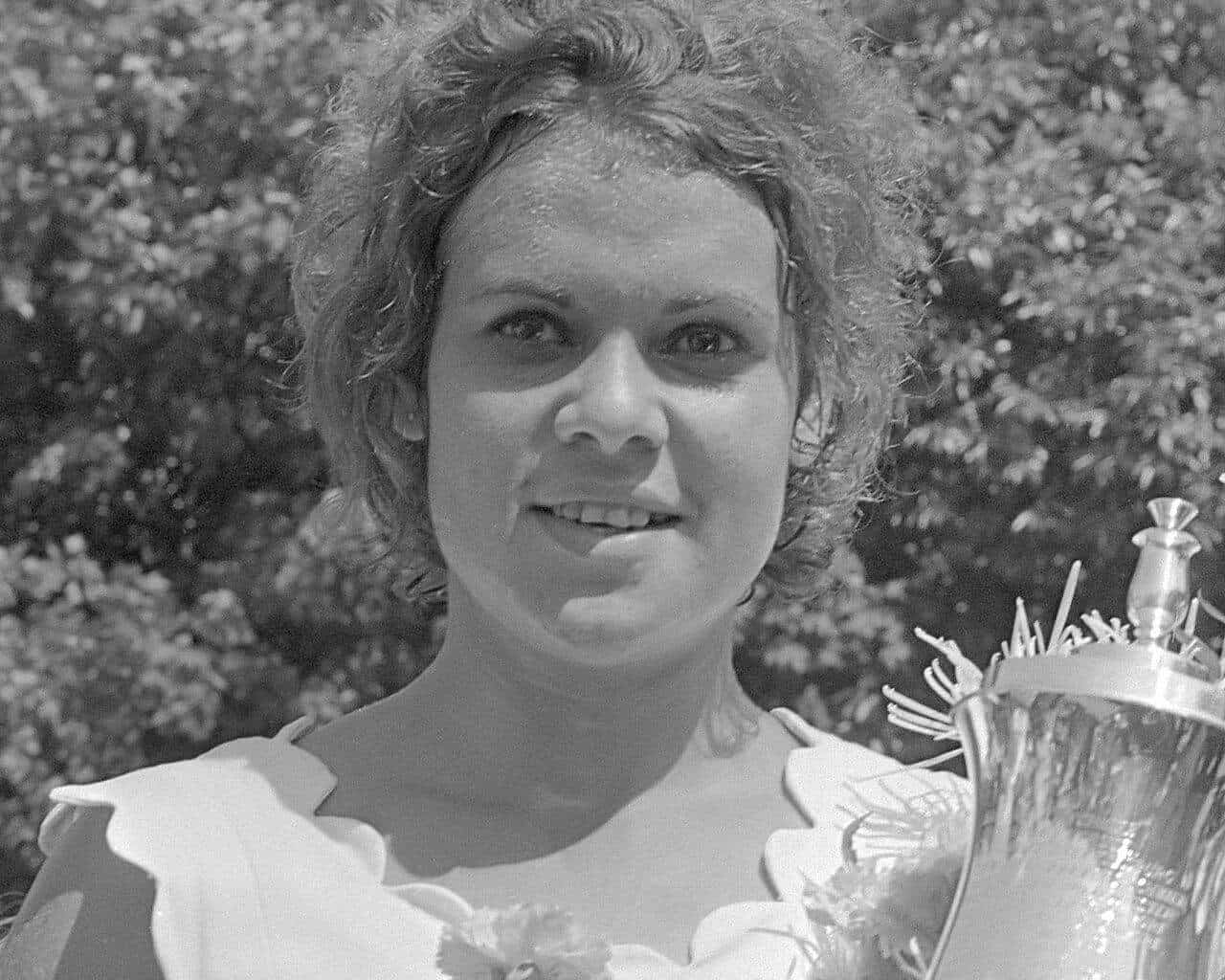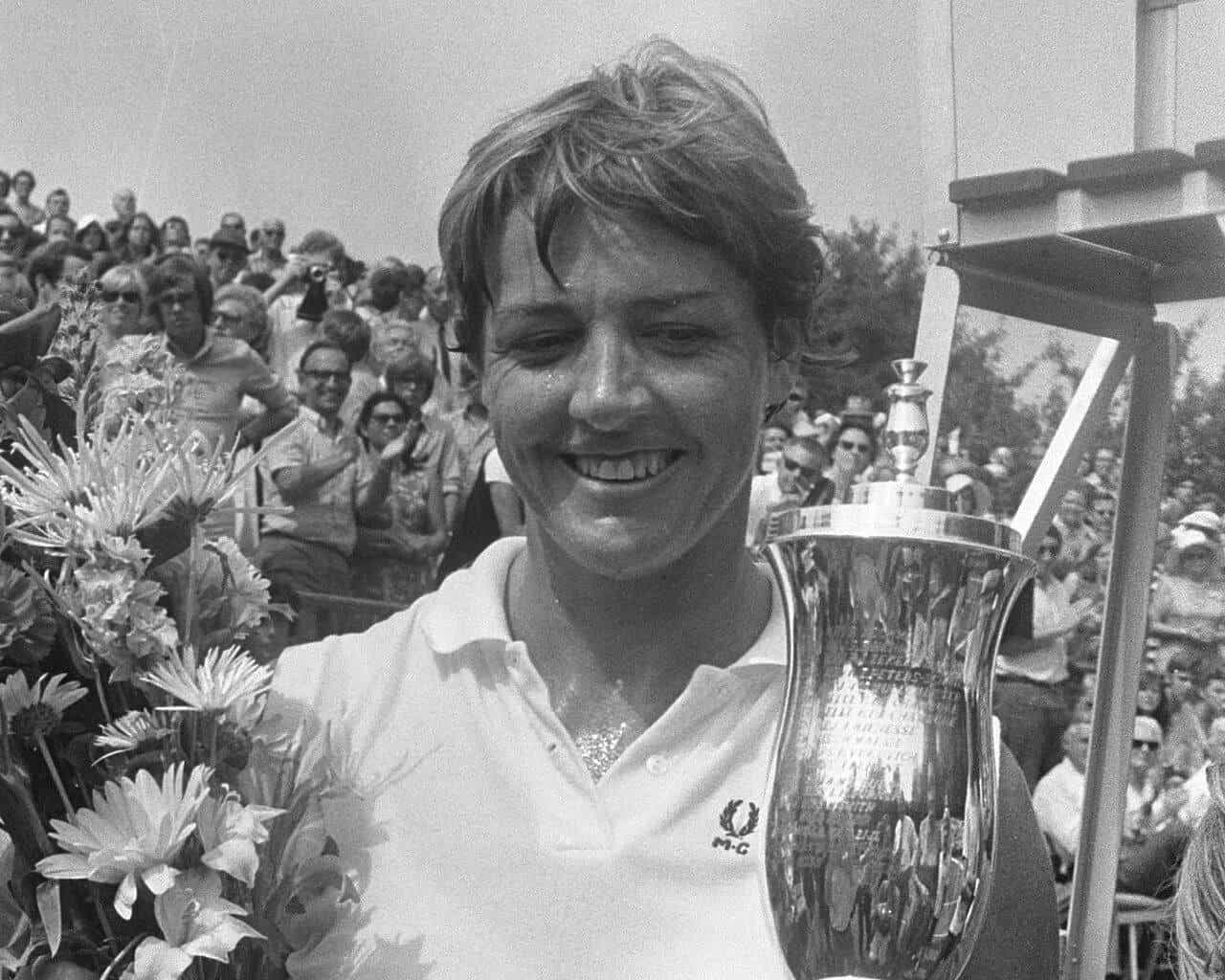
By the numbers, no player in the history of tennis has won more major titles than Margaret Court. Her 24 major singles titles and 64 major titles across singles, doubles and mixed doubles remain records. A tall, powerful athlete from the Murray River town of Albury, she brought a new level of fitness and attacking play to women's tennis and dominated the 1960s and early 1970s.
24
Major singles titles
Most in women's tennis
64
Major titles in all
Singles, doubles and mixed
1970
Grand Slam
All four majors in a year
Early life
Margaret Smith was born in Albury, New South Wales, on 16 July 1942. As a child she was given an old racquet and began sneaking into the nearby Albury and Border Tennis Club with friends to play on its grass courts. She later moved to Melbourne to train with leading coaches, including Frank Sedgman, who emphasised physical fitness through circuit running, weightlifting and running on sandhills. Her conditioning earned her the nickname "The Aussie Amazon".
The amateur years
In 1960, aged just 17, she won the Australian Championships, the first of seven consecutive Australian singles titles. In 1963, aged 21, she won Wimbledon, completing a career Grand Slam in singles. Through the 1960s she won majors around the world while playing as an amateur, taking a brief hiatus in 1966 and 1967.
Her height, reach and serve-and-volley game were formidable on grass, while her fitness let her outlast opponents on slower surfaces. She was also a superb doubles player, collecting titles in women's doubles and mixed doubles.
The 1970 Grand Slam
Open tennis arrived in 1968, and Court, now married, returned to the top. In 1970 she won the Australian Open, French Open, Wimbledon and US Open, becoming the first woman in the Open Era to win the calendar Grand Slam. Her Wimbledon final that year against Billie Jean King is remembered as one of the great women's finals. The 1970 Slam was part of a record six consecutive major singles victories.
Motherhood and comeback
Court gave birth to her first child in 1972 but returned later that year, winning three major singles titles in 1973. She took similar breaks after the births of her second and third children, before retiring in 1977. Her ability to return to the top after childbirth was remarkable in an era with little support for players who were mothers.
Records
Court is one of only three players, all women, to win the Boxed Set, every major title in singles, doubles and mixed doubles, and she is the only player to complete it twice. She is also one of a handful of players to win a double career Grand Slam in two disciplines, alongside Roy Emerson, Martina Navratilova, Frank Sedgman, Doris Hart and Serena Williams. She won the Fed Cup with Australia four times.
| Record | Detail |
|---|---|
| Major singles titles | 24 |
| Major titles in total | 64 |
| Consecutive Australian titles | 7 (from 1960) |
| Calendar Grand Slam | 1970 |
| Double Boxed Set | Only player to achieve it |
The 1970 finals
The 1970 Slam was won against a range of opponents: Kerry Melville in the Australian Open final, Helga Masthoff in Paris, Billie Jean King at Wimbledon and Rosemary Casals at the US Open. Winning majors on both grass and clay in the same year, in the new open era, cemented her standing as the leading player of her generation.
Life after tennis
Court became associated with Pentecostalism in the 1970s and was ordained as an independent Pentecostal minister in 1991. In 1995, she founded the Victory Life Centre in Perth, where she serves as senior pastor. Her public statements on social issues have been the subject of widespread public debate and criticism, including discussion about the naming of Margaret Court Arena. We note this for completeness; this guide focuses on her tennis career.
Margaret Court Arena
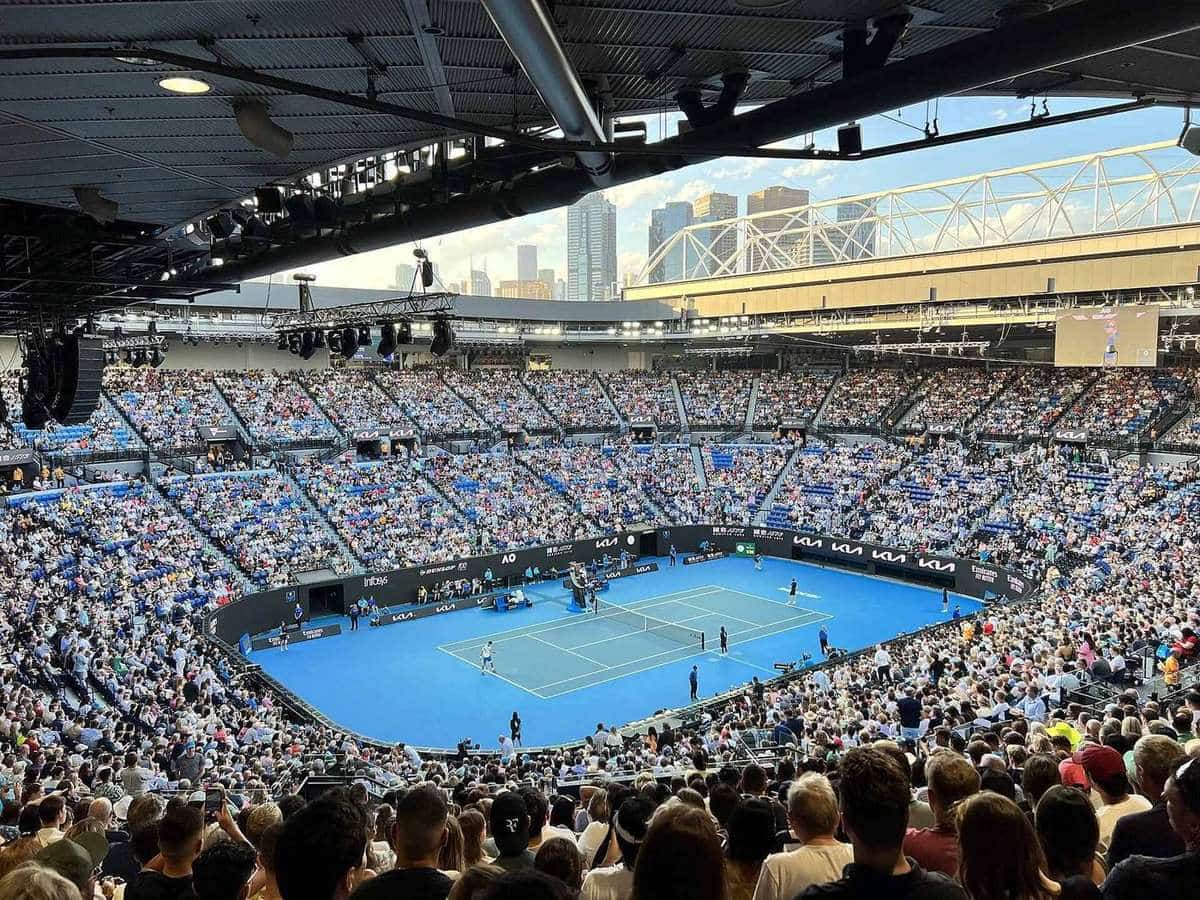
One of the three main show courts at Melbourne Park, with a retractable roof, is named Margaret Court Arena. It seats about 7,500 spectators. Read our guide to Kooyong and Melbourne Park.
Key dates
| Year | Milestone |
|---|---|
| 1942 | Born in Albury, NSW |
| 1960 | First Australian singles title, aged 17 |
| 1963 | Wins Wimbledon, completing a career Grand Slam |
| 1970 | Wins the calendar Grand Slam |
| 1973 | Wins three majors after first child |
| 1977 | Retires |
Playing style
Court was tall for her era and used her reach and power to attack the net. Her weights, circuit training and sandhill running were unusual for a woman player at the time. Her serve and volley were particularly strong on grass, the surface of three of the four majors in her era.
Why she matters
Whatever view people take of her later public life, Court's playing record is a central part of tennis history. She helped raise standards of athleticism in the women's game and won more majors than anyone.
Reading Court's record
Margaret Court's total of major titles is the largest in the history of the game, and it is often quoted without context. Her career spanned both the amateur era and the early Open Era. Many of her Australian titles came in years when the leading overseas players did not travel to Australia. Supporters point out that she also won repeatedly in Paris, London and New York against the best fields of her day, and that she completed a calendar Grand Slam in 1970 in the Open Era. Both points are fair. The useful approach for readers is to look at the full record, tournament by tournament, rather than relying on a single headline number.
Her doubles and mixed doubles titles are also part of the story. She was one of the few players to win the "boxed set" of every major title in singles, women's doubles and mixed doubles, which shows how complete her game was.
Public debate
In later life Court became a Christian minister, and some of her public comments on social issues have drawn criticism within and beyond tennis. That debate has affected how her name is used at events, including discussion about the arena that bears her name at Melbourne Park. This guide records the debate as part of her public history. It does not take a side, and it focuses on her achievements as a player.
Readers can compare her results year by year using the sources listed below.
Related champions
Explore more in our guides to Evonne Goolagong Cawley, Rod Laver and Ash Barty.
Frequently asked questions
How many Grand Slam singles titles did Margaret Court win?
Court won 24 major singles titles, the most in women's tennis history. Including doubles and mixed doubles, she won 64 major titles.
Did Margaret Court win the Grand Slam?
Yes. In 1970 she won all four major singles titles in one calendar year, part of a record six consecutive major singles victories.
Where was Margaret Court born?
She was born Margaret Smith in Albury, New South Wales, on 16 July 1942.
How many Australian titles did she win?
In 1960, aged 17, she won the first of seven consecutive Australian singles titles.
What is the Boxed Set?
The Boxed Set means winning every major title in singles, doubles and mixed doubles. Court is the only player to complete it twice.
Is Margaret Court Arena named after her?
Yes. One of the three main show courts at Melbourne Park, with a retractable roof, is Margaret Court Arena.
When did she retire?
Court retired from tennis in 1977, after taking breaks to have children.
What did she do after tennis?
She became a Pentecostal minister, was ordained in 1991 and founded a church in Perth in 1995. Her public statements on social issues have been widely debated.
Sources and further reading
Facts on this page were checked against these primary and official sources. Conditions change — confirm before you travel or buy.
- Margaret Court — Wikipedia
- Melbourne Park — Wikipedia
- Australian Open — Wikipedia