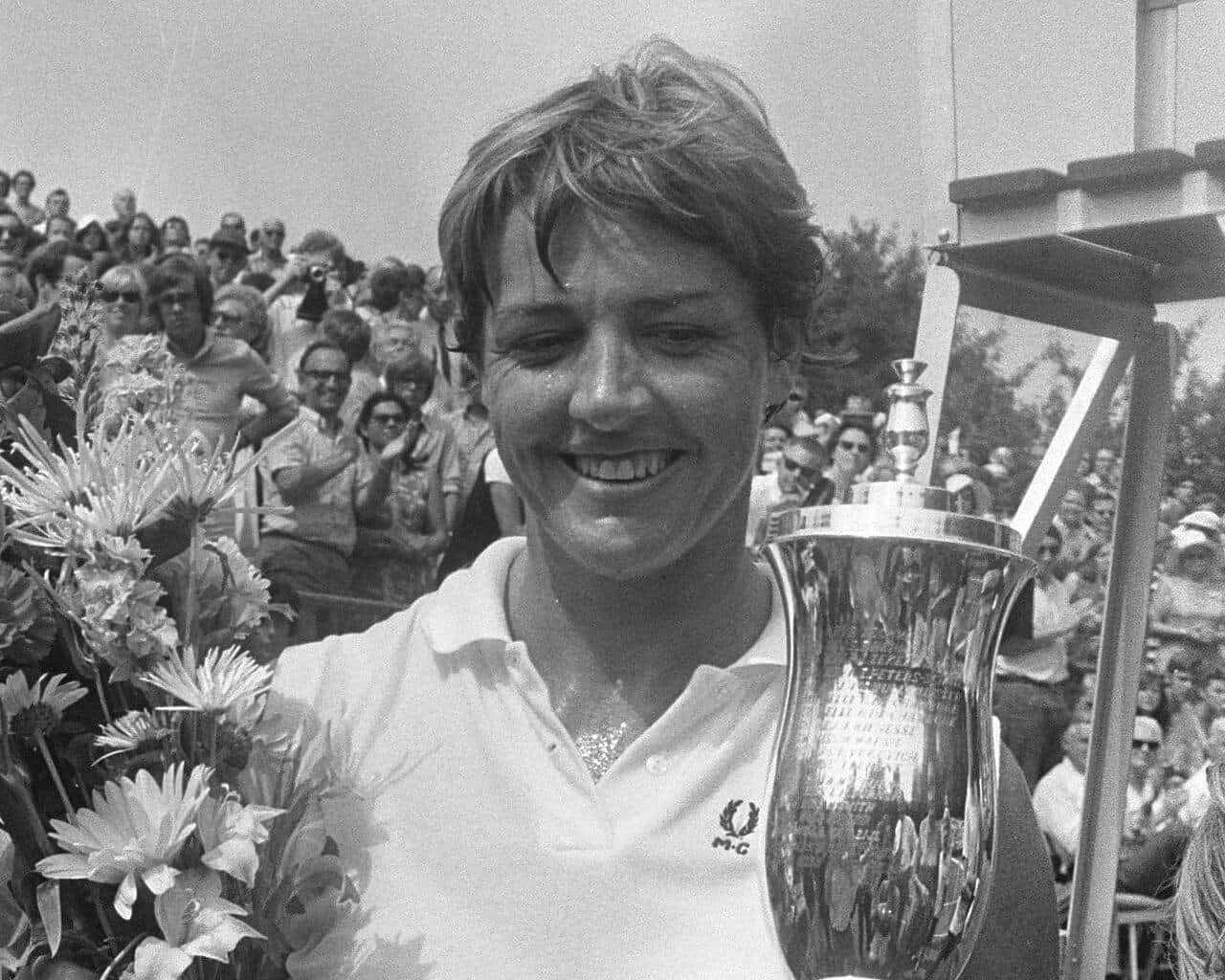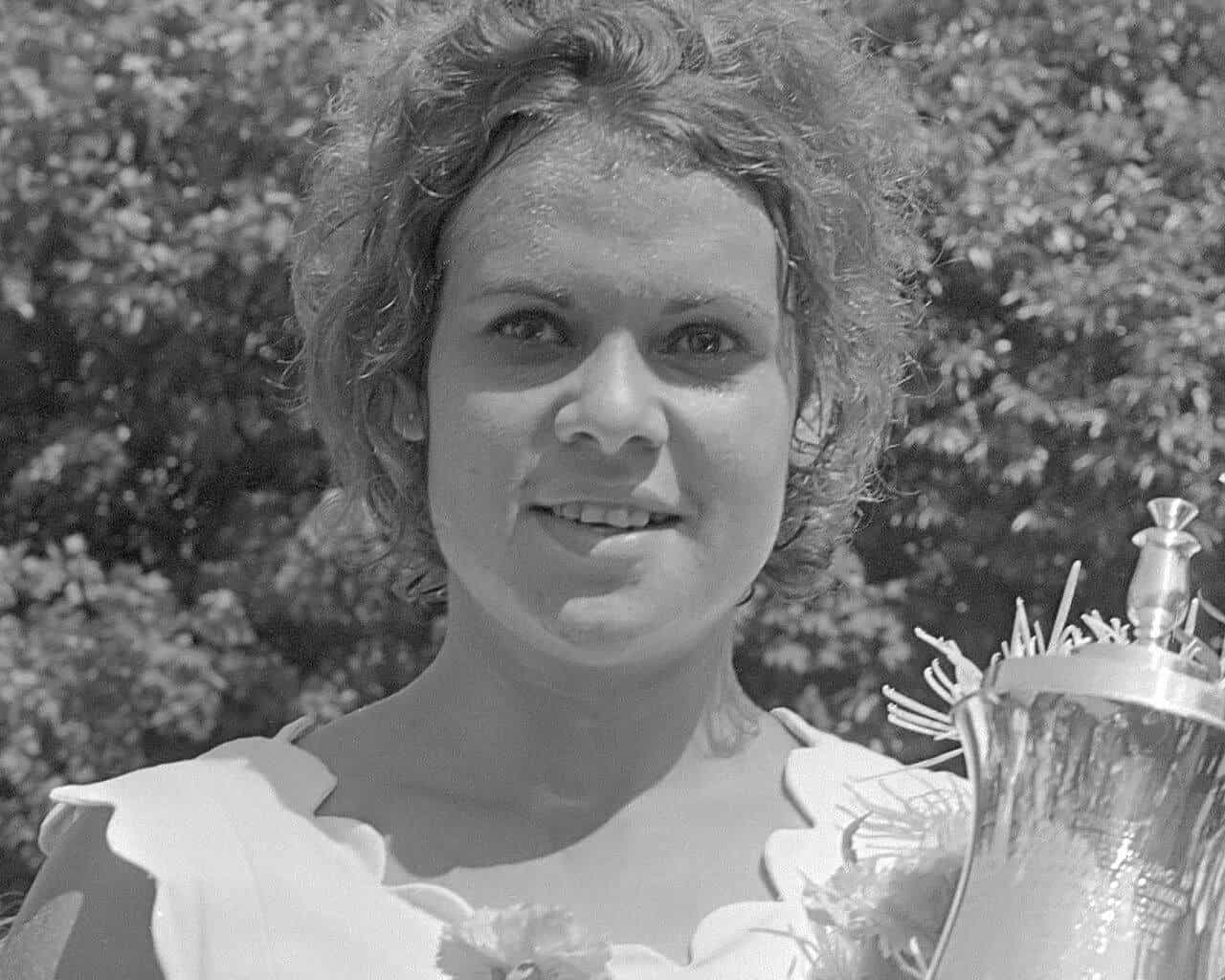
Evonne Goolagong Cawley's story is one of the most remarkable in Australian sport. A Wiradjuri girl from the wheat-belt town of Barellan, she grew up during the era of the Stolen Generations and faced the barriers many Aboriginal Australians experienced. Yet by 19 she was a major champion, and she went on to become world No. 1, win seven major singles titles and return to win Wimbledon as a mother.
7
Major singles titles
Plus 7 doubles majors
1971 & 1980
Wimbledon titles
The second as a mother
86
WTA singles titles
Tour-level
Early life in Barellan
Evonne Fay Goolagong was born in Griffith, New South Wales, on 31 July 1951, and moved with her family to Barellan shortly afterwards. She grew up during the time of the Stolen Generations, when Aboriginal children were removed from their families, and later recalled having to hide to avoid being taken.
Despite the prejudice and disadvantage Aboriginal people faced, she was able to play tennis in Barellan from childhood. A local resident, Bill Kurtzman, saw her peering through the fence at the town's courts and invited her in. In 1965, Vic Edwards, who ran a tennis school in Sydney, was tipped off by his assistants, travelled to Barellan and immediately saw her potential. She moved to Sydney to train with him.
A champion at 19
Goolagong rose rapidly. At 19, she won the French Open singles and the Australian Open doubles with Margaret Court. In 1971 she won the Wimbledon singles title, beating Court in the final, and became the second woman in the Open Era to win the French Open and Wimbledon in the same year, the so-called Channel Slam. She was named Australian of the Year in 1971.
Her game was graceful and instinctive, built on movement, touch and all-court variety rather than raw power.
Australian Open dominance
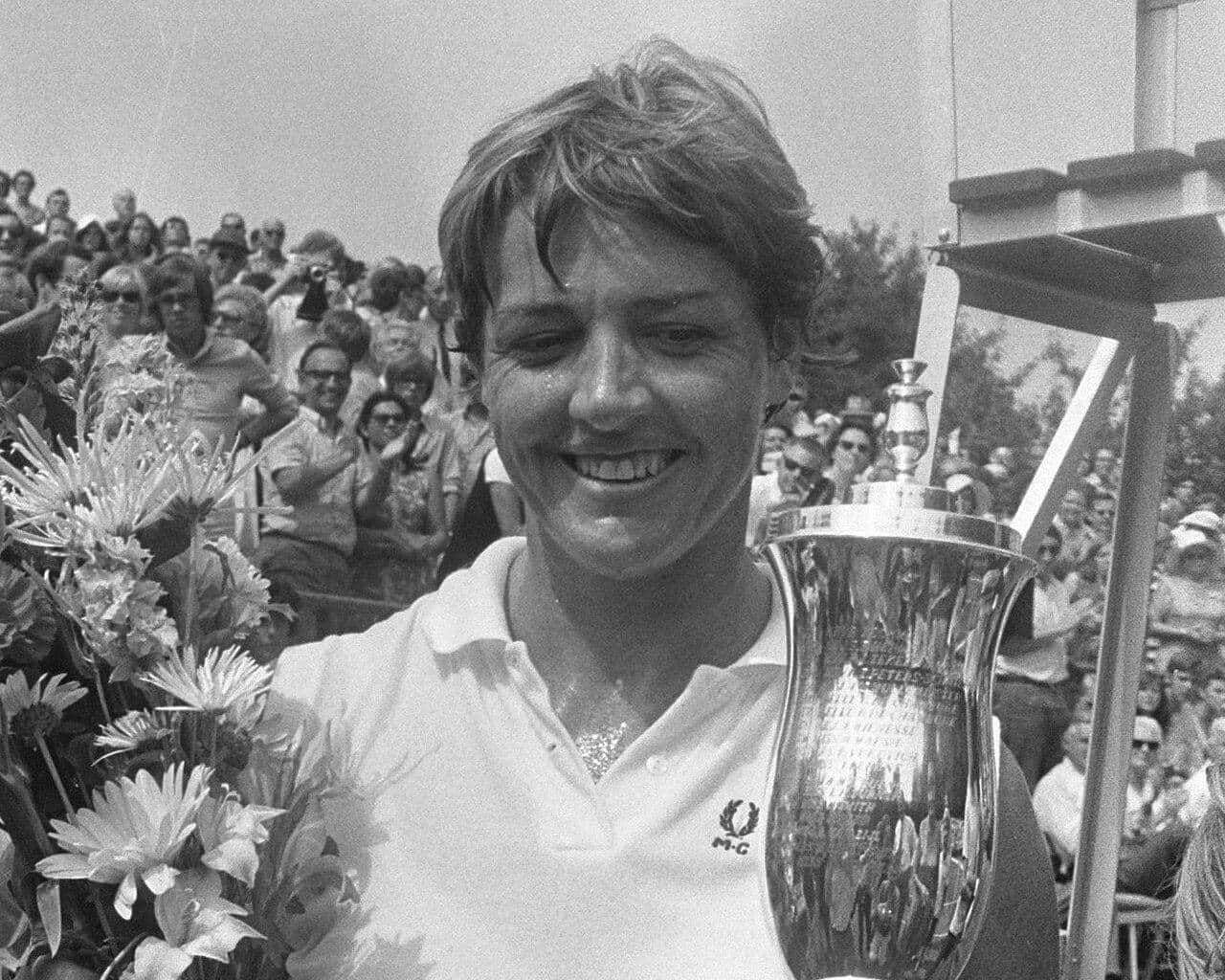
Goolagong made seven consecutive finals at the Australian Open and won three titles in a row. Across her career she won singles and doubles titles at the Australian Open and Wimbledon, and singles and mixed doubles titles at the French Open.
Great rivals
Goolagong is the only woman to have beaten Margaret Court, Martina Navratilova and Chris Evert in major finals. Her rivalry with Evert was a feature of the 1970s: in 1976, her best season to that point, she won seven titles and rose to No. 1, losing only five times to Evert and once to Dianne Fromholtz. At the Virginia Slims of Boston in March 1978, she beat Navratilova and Evert back-to-back to win the title.
Wimbledon 1980
In 1980, Goolagong won Wimbledon again, nine years after her first title. As a mother, she became the first mother to win the title in 66 years. It remains one of the most celebrated comebacks in the sport.
Fed Cup
She represented Australia in three Fed Cup competitions, winning in 1971, 1973 and 1974, and later served as Fed Cup captain for three consecutive years.
Career summary
| Achievement | Detail |
|---|---|
| Major singles titles | 7 |
| Major doubles titles | 7 |
| WTA singles titles | 86 |
| World ranking | No. 1 |
| Fed Cup titles | 1971, 1973, 1974 |
| Australian of the Year | 1971 |
Honours
Goolagong was appointed a Member of the Order of the British Empire in 1972 and an Officer of the Order of Australia in 1982. She was inducted into the Sport Australia Hall of Fame in 1985, the International Tennis Hall of Fame in 1988 and the Aboriginal Sporting Hall of Fame in 1989.
After tennis
After retiring from professional tennis in 1983, Goolagong played senior invitational events, worked as a touring professional and held sports leadership roles.
Legacy
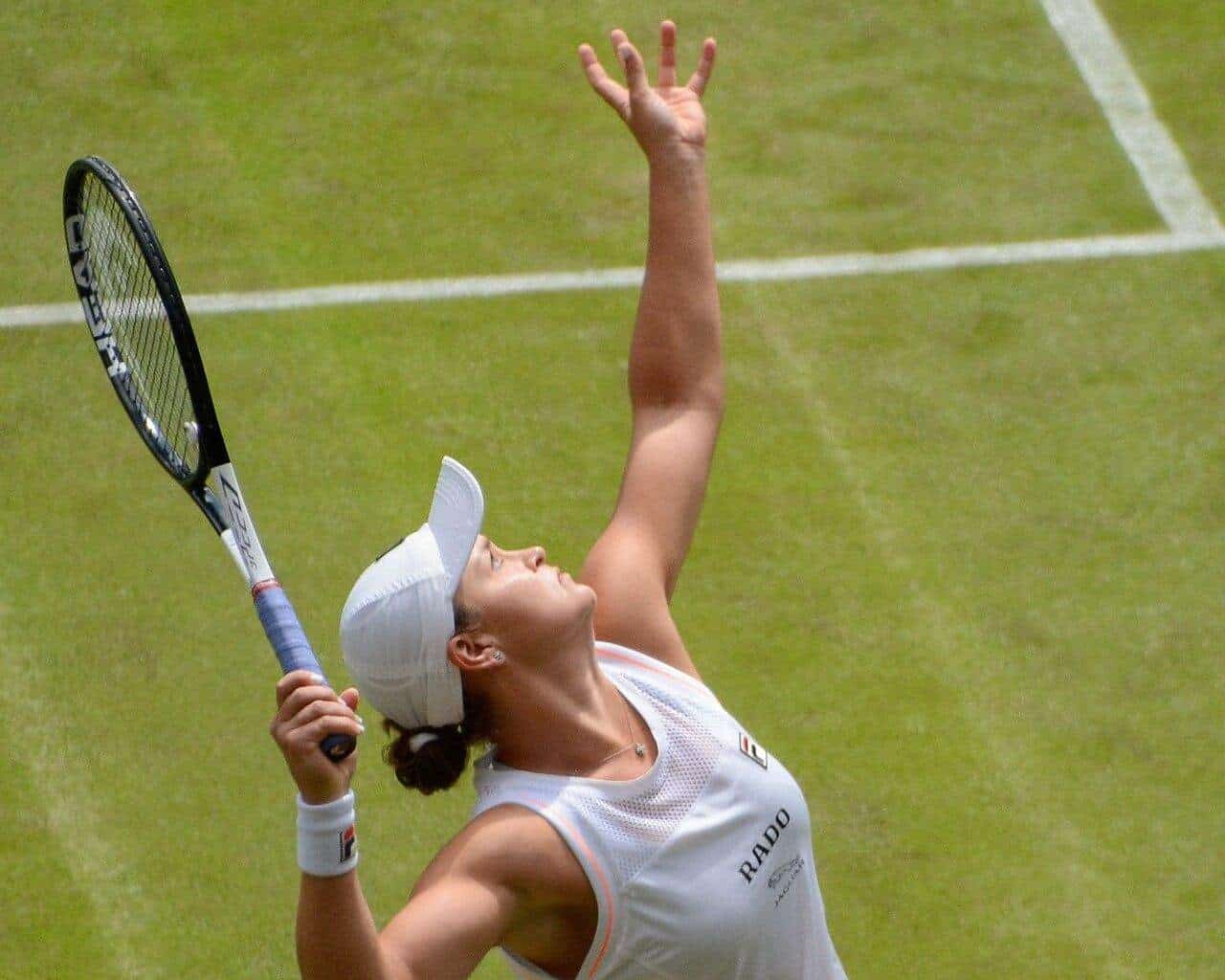
Goolagong's success came at a time when Aboriginal Australians faced discrimination and were rarely seen in elite sport. Her achievements made her a role model, and her legacy is visible in later champions, including Ash Barty, who has described Goolagong as her mentor and idol and serves as Tennis Australia's National Indigenous Tennis Ambassador. Read our Ash Barty guide.
Key dates
| Year | Milestone |
|---|---|
| 1951 | Born in Griffith, NSW; grows up in Barellan |
| 1965 | Spotted by coach Vic Edwards |
| 1971 | Wins French Open and Wimbledon; Australian of the Year |
| 1980 | Wins Wimbledon as a mother |
| 1983 | Retires from professional tennis |
| 1988 | Inducted into the International Tennis Hall of Fame |
Playing style
Goolagong was famous for her movement and touch. She glided across the court, using slice, drop shots and volleys to unsettle opponents. Her relaxed demeanour made her a crowd favourite at Wimbledon and around the world.
Why she matters
Beyond titles, Goolagong changed perceptions. She showed that champions could come from anywhere, including small country towns and communities facing disadvantage. Her story is central to the history of Australian tennis.
Further reading
Goolagong Cawley's own accounts of her life, along with contemporary newspaper reports available through Trove, give the fullest picture of her career. Readers can also follow her links to the Australian Tennis Hall of Fame, which displays bronze busts of inductees in Garden Square at Melbourne Park.
Goolagong's record at a glance
Goolagong Cawley won 86 WTA Tour-level singles titles, including seven major singles titles, and 46 doubles titles, including seven major doubles titles. At 19 she won the French Open singles and the Australian Open doubles, the latter partnering Margaret Court. Her 1971 Wimbledon win made her the second woman in the Open Era to complete the Channel Slam, winning the French Open and Wimbledon in the same year. She is the only woman to have beaten Court, Martina Navratilova and Chris Evert in major finals.
Her 1980 Wimbledon title came after she had become a mother, and she was the first mother to win the title in 66 years. She represented Australia in three Fed Cup competitions, winning the title in 1971, 1973 and 1974, and later served as Fed Cup captain for three consecutive years. She retired from professional tennis in 1983.
Wiradjuri heritage and influence
Goolagong Cawley is of Wiradjuri descent, and her success made her one of the most prominent Aboriginal Australians of her generation. Many later players, including Ash Barty, have spoken of her as an inspiration. Her name is linked with programs that encourage Indigenous participation in tennis, and her career continues to be celebrated in Australian sporting history.
A note on sources
We check each fact on this page against the references listed below, and we remove claims we cannot verify rather than guess. Records in tennis are sometimes revised as historians study old results more closely, particularly for the amateur and professional tours before 1968. If you spot an error, please use our contact page and include a source, and we will review it. This guide is general historical information. It is not affiliated with any player, club or governing body.
Related guides
Explore Margaret Court, Rod Laver and the Australian Open history.
Frequently asked questions
How many major singles titles did Evonne Goolagong Cawley win?
She won seven major singles titles and seven major doubles titles, along with 86 WTA Tour-level singles titles.
When did she win Wimbledon?
She won the Wimbledon singles title in 1971 and again in 1980, when she became the first mother to win the title in 66 years.
Where did she grow up?
She was born in Griffith, New South Wales, and grew up in the small town of Barellan.
Was she world No. 1?
Yes. She was ranked world No. 1 in women's singles by the WTA.
How did she do at the Australian Open?
She reached seven consecutive Australian Open finals and won three titles in a row.
Was she Australian of the Year?
Yes. Goolagong was named Australian of the Year in 1971.
Which Halls of Fame is she in?
She was inducted into the Sport Australia Hall of Fame in 1985, the International Tennis Hall of Fame in 1988 and the Aboriginal Sporting Hall of Fame in 1989.
Did she play Fed Cup?
Yes. She helped Australia win the Fed Cup in 1971, 1973 and 1974, and later served as captain.
Sources and further reading
Facts on this page were checked against these primary and official sources. Conditions change — confirm before you travel or buy.
- Evonne Goolagong Cawley — Wikipedia
- Margaret Court — Wikipedia
- Ashleigh Barty — Wikipedia