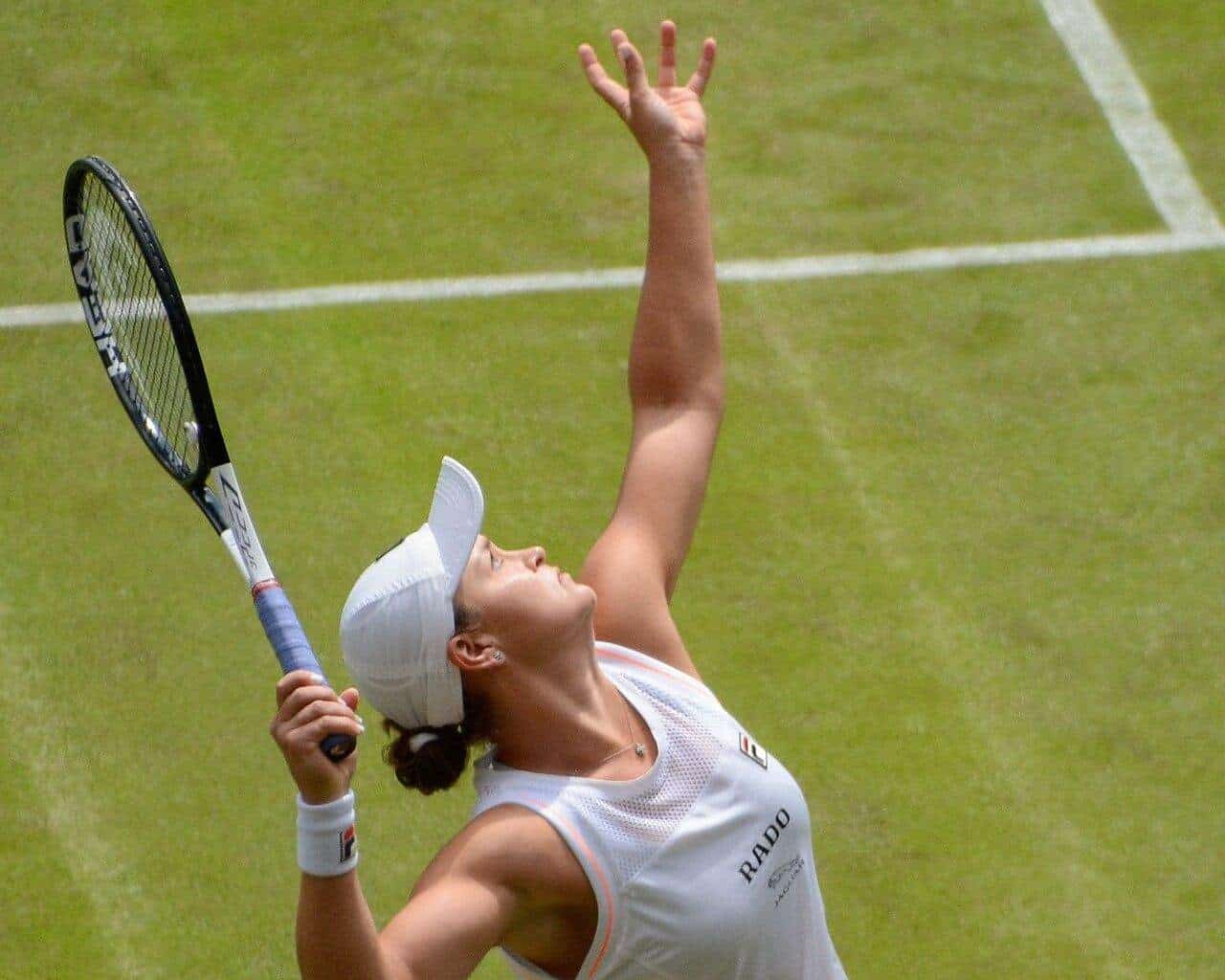
The golden era of Australian tennis, when Hopman's teams won the Davis Cup almost every year and Australians filled major finals, could not last forever. As tennis turned fully professional and global, Australia's share of titles fell. Yet the country kept producing champions who captured the public imagination. This guide covers four of them: Pat Cash, Pat Rafter, Lleyton Hewitt and Sam Stosur.
1987
Cash at Wimbledon
And the climb into the stands
80
Weeks at No. 1
Lleyton Hewitt
2011
Stosur's US Open
Beat Serena Williams
Pat Cash
Patrick Hart Cash was born on 27 May 1965 and grew up in Melbourne, the son of a Hawthorn footballer. He was a scholarship holder at the Australian Institute of Sport and the world's No. 1 junior in 1981. In 1983, he became the youngest player to appear in a Davis Cup final.
Cash's finest moment came at Wimbledon in 1987. After winning the title, he climbed into the stands to celebrate with his family and team, a gesture that started a tradition copied by many champions since. He reached a career-high singles ranking of world No. 4 in May 1988.
Cash was also a Davis Cup hero. In the 1986 final against Sweden at Kooyong, he beat Stefan Edberg and then won the decisive rubber, recovering from two sets down against Mikael Pernfors, as Australia won 3–2. He was unbeaten in singles throughout that year's competition.
Pat Rafter
Patrick Michael Rafter was born on 28 December 1972. A classic serve-and-volleyer, he won the US Open in 1997 and 1998 and reached world No. 1 in 1999. He became the first man in the Open Era to win the Canada Masters, Cincinnati Masters and US Open in the same year. He also reached the Wimbledon final in 2000 and 2001.
In doubles, Rafter won the 1999 Australian Open with Jonas Björkman. He is the third man in the Open Era to reach at least the semi-finals of every major in both singles and doubles, after Rod Laver and Stefan Edberg. Injury kept him out of Australia's winning 1999 Davis Cup final, but he won important matches in earlier rounds. He played in the finals of 2000 and 2001. He announced his retirement in January 2003. The 5,500-seat centre court of the Queensland Tennis Centre in Brisbane is named Pat Rafter Arena.
Lleyton Hewitt
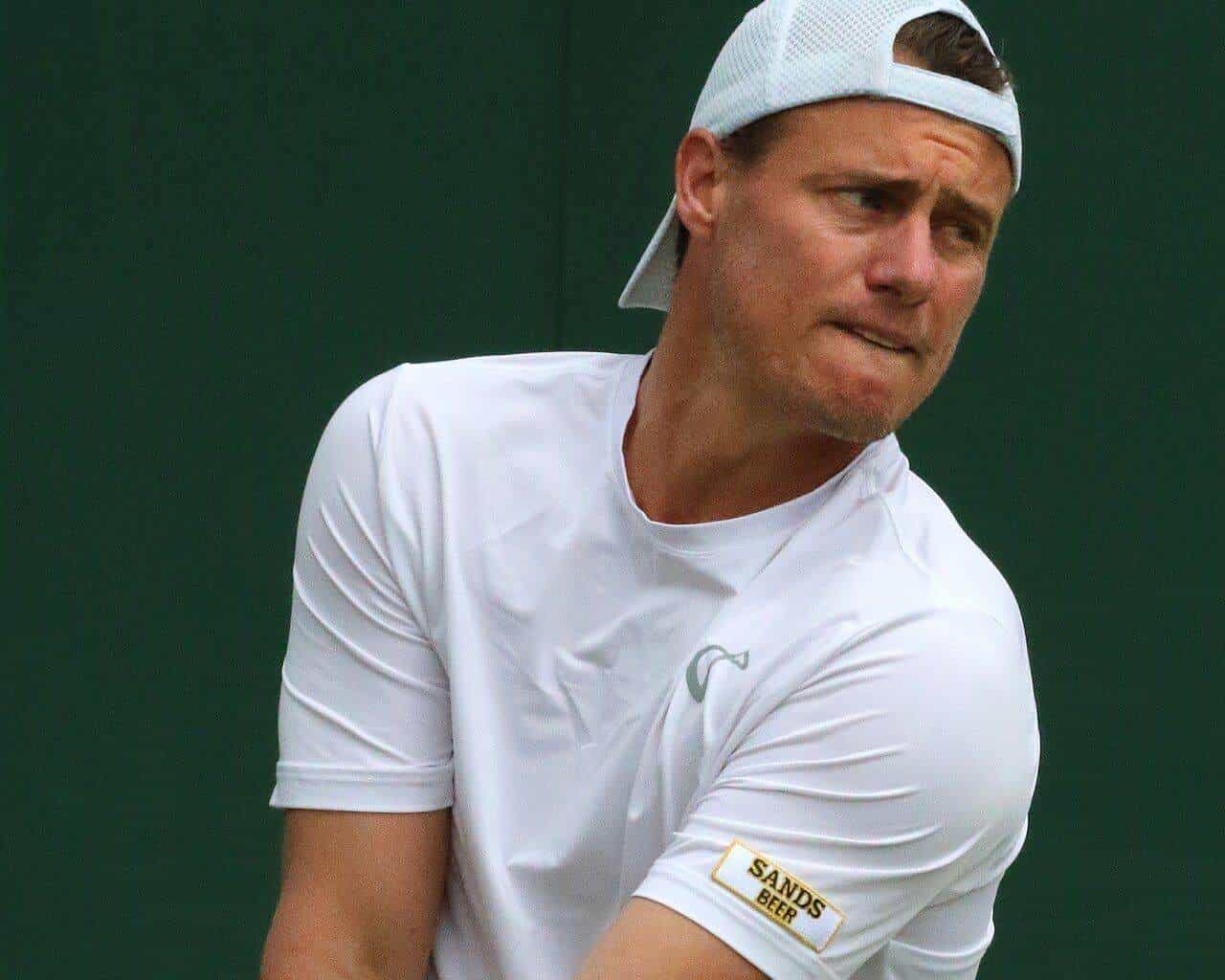
Lleyton Glynn Hewitt was born in Adelaide on 24 February 1981. As a teenager, he won the 1998 Adelaide International, beating Andre Agassi in the semi-finals, making him one of the youngest winners of an ATP tournament.
On 19 November 2001, aged 20 years and 268 days, Hewitt became the youngest man to reach No. 1 in the ATP rankings, a record that stood until Carlos Alcaraz in 2022. He was year-end No. 1 in 2001 and 2002 and spent 80 weeks at the top. He won the 2001 US Open and 2002 Wimbledon, plus the Tennis Masters Cup in 2001 and 2002, and a doubles major at the 2000 US Open. He was runner-up at the 2004 US Open and 2005 Australian Open.
Hewitt led Australia to Davis Cup titles in 1999 and 2003. In the 2003 semi-final, he came back from two sets down to beat Roger Federer. He holds Australian Davis Cup records for most years played, most ties and most matches. As of the end of 2025, he remains the most recent Australian man to win a singles major.
Sam Stosur
Samantha Jane Stosur was born on 30 March 1984. She first rose to prominence in doubles, reaching world No. 1 on 6 February 2006 and holding the ranking for 61 consecutive weeks. She won four women's doubles majors: the 2005 US Open and 2006 French Open with Lisa Raymond, and the 2019 Australian Open and 2021 US Open with Zhang Shuai.
In singles, she reached a career-high world No. 4 in February 2011. Later that year, she won the US Open, beating Serena Williams in the final to become the first Australian woman since Evonne Goolagong Cawley in 1980 to win a major singles title. She was the top-ranked Australian woman for 452 consecutive weeks, from October 2008 to June 2017.
Comparison
| Player | Major singles titles | Highlights |
|---|---|---|
| Pat Cash | 1 (Wimbledon 1987) | 1986 Davis Cup hero |
| Pat Rafter | 2 (US Open 1997, 1998) | World No. 1 in 1999 |
| Lleyton Hewitt | 2 (US Open 2001, Wimbledon 2002) | Youngest male No. 1 at the time |
| Sam Stosur | 1 (US Open 2011) | Doubles world No. 1 |
Coaching connections
Tony Roche, a 1966 French champion and 15-time major doubles winner from the golden era, coached both Rafter and Hewitt, as well as Ivan Lendl and Roger Federer. His work linked the golden era with the modern game.
A changing landscape
From the 1980s, tennis became a truly global professional sport, with strong programs in Europe, the Americas and Asia. Australia no longer dominated, but its champions continued to win majors and the Davis Cup. Ash Barty's success from 2019 renewed interest in Australian tennis. Read our Ash Barty guide.
Davis Cup in the modern era
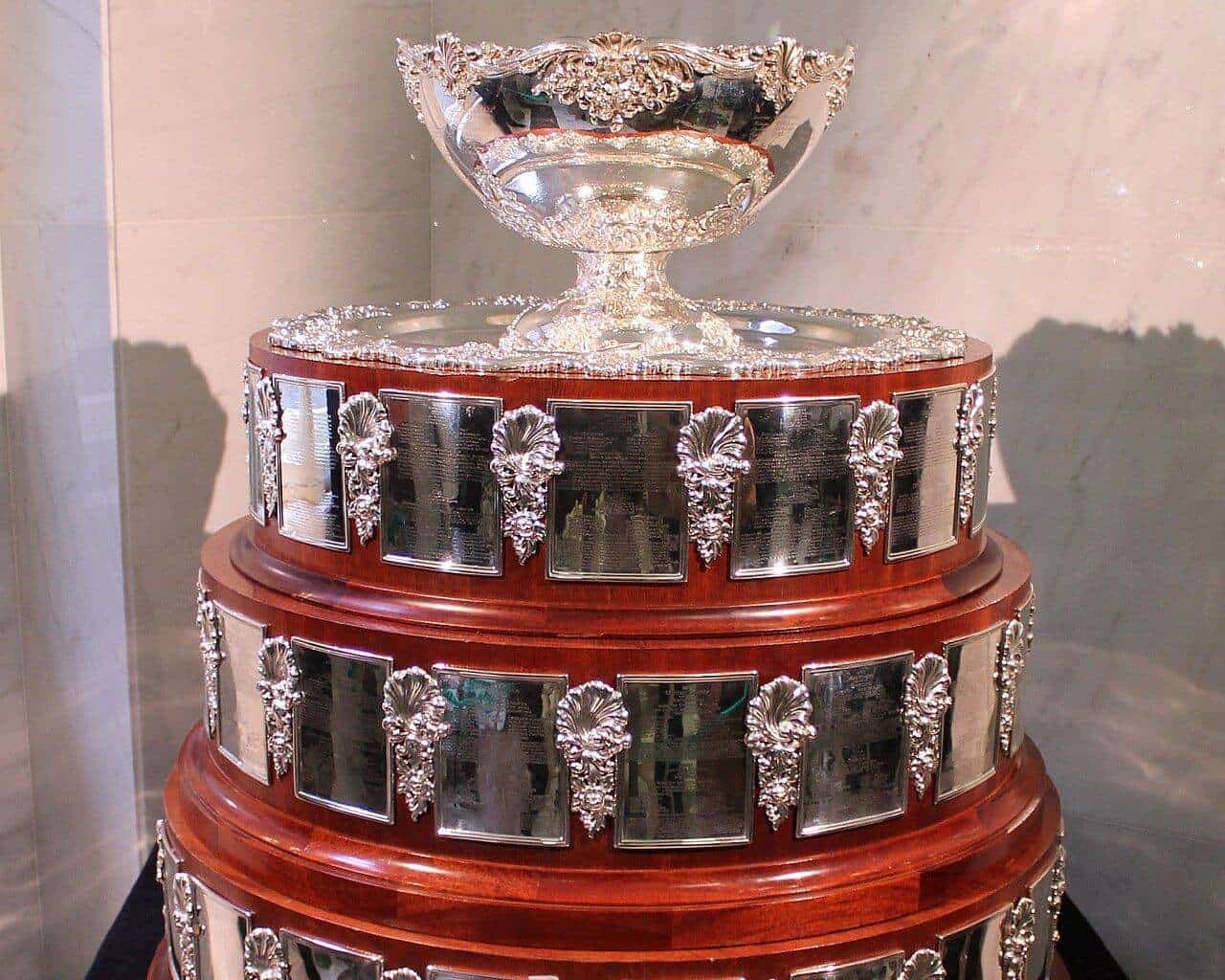
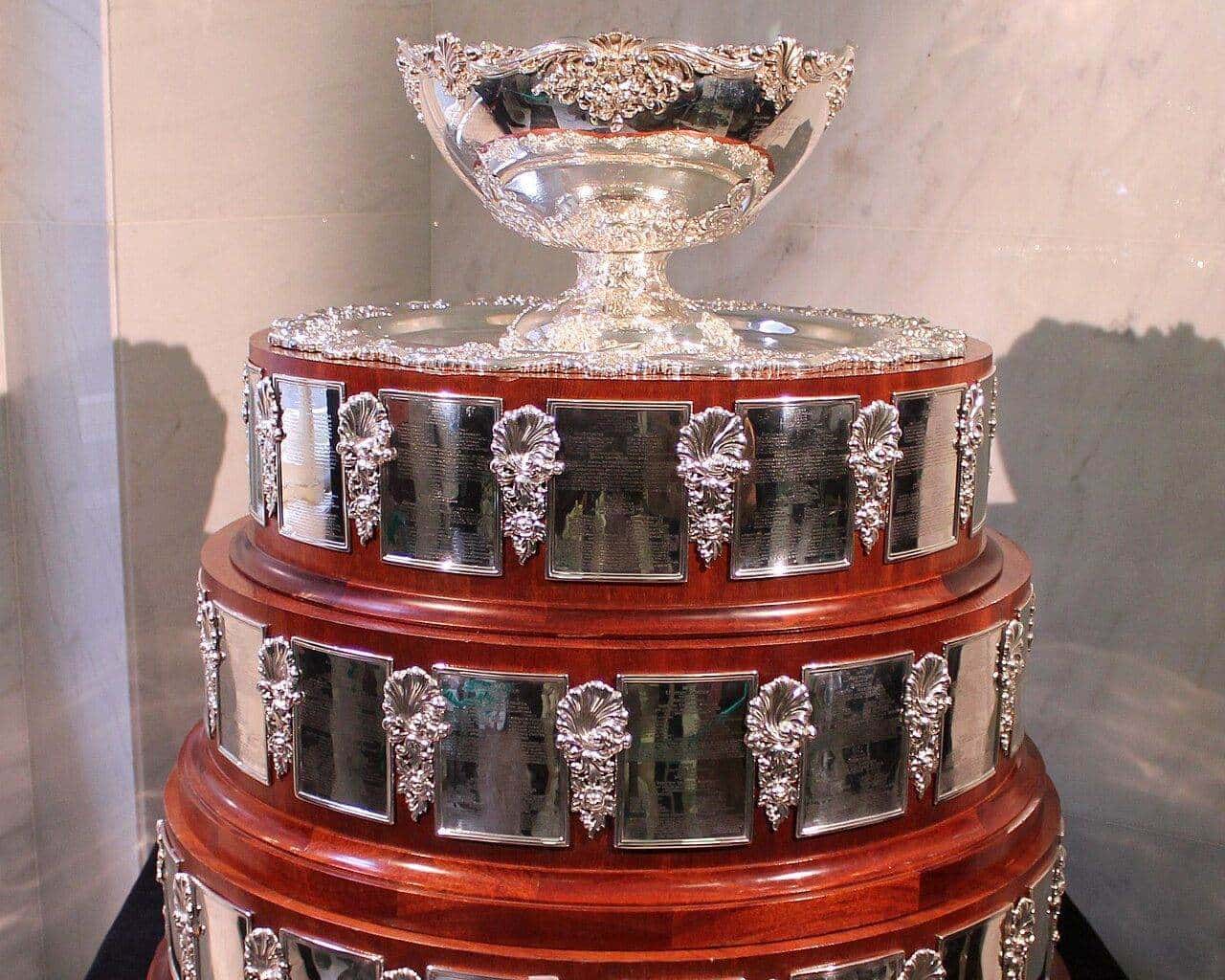
After 1973, Australia won the Davis Cup in 1977, 1983, 1986, 1999 and 2003, bringing its total to 28 titles. Read our Davis Cup guide.
Key dates
| Year | Milestone |
|---|---|
| 1986 | Cash leads Australia to Davis Cup win over Sweden |
| 1987 | Cash wins Wimbledon |
| 1997–98 | Rafter wins the US Open twice |
| 2001 | Hewitt wins the US Open and reaches No. 1 |
| 2002 | Hewitt wins Wimbledon |
| 2003 | Australia wins its 28th Davis Cup |
| 2011 | Stosur wins the US Open |
Following the current generation
The ATP and WTA websites publish rankings and results for current players, and Tennis Australia publishes national team news.
Milestones of the modern era
Pat Cash's 1987 Wimbledon win began the tradition of champions climbing into the stands to celebrate. Patrick Rafter won consecutive US Open titles in 1997 and 1998. Samantha Stosur's 2011 US Open win made her the first Australian woman to win a major singles title since Goolagong Cawley in 1980.
A note on sources
We check each fact on this page against the references listed below, and we remove claims we cannot verify rather than guess. Records in tennis are sometimes revised as historians study old results more closely, particularly for the amateur and professional tours before 1968. If you spot an error, please use our contact page and include a source, and we will review it. This guide is general historical information. It is not affiliated with any player, club or governing body.
Frequently asked questions
Who was the last Australian man to win a Grand Slam singles title?
As of the end of 2025, Lleyton Hewitt, who won the 2002 Wimbledon title, remains the most recent Australian man to win a singles major.
When did Pat Cash win Wimbledon?
Pat Cash won Wimbledon in 1987. He climbed into the stands to celebrate, starting a tradition that continues.
How many US Opens did Pat Rafter win?
Rafter won the US Open in 1997 and 1998. He was also runner-up at Wimbledon in 2000 and 2001.
When was Lleyton Hewitt world No. 1?
Hewitt reached No. 1 on 19 November 2001 and was year-end No. 1 in 2001 and 2002, spending 80 weeks at the top.
Who did Sam Stosur beat in the 2011 US Open final?
Stosur beat Serena Williams to win the 2011 US Open, becoming the first Australian woman since Evonne Goolagong Cawley in 1980 to win a major singles title.
Was Sam Stosur a doubles No. 1?
Yes. Stosur first reached world No. 1 in doubles on 6 February 2006 and held the ranking for 61 consecutive weeks.
Which arena is named after Pat Rafter?
The centre court at the Queensland Tennis Centre in Brisbane is named Pat Rafter Arena.
Who holds Australia's Davis Cup records?
Lleyton Hewitt holds Australian Davis Cup records for most years played (19), most ties (43) and most matches (79).
Sources and further reading
Facts on this page were checked against these primary and official sources. Conditions change — confirm before you travel or buy.
- Pat Cash — Wikipedia
- Patrick Rafter — Wikipedia
- Lleyton Hewitt — Wikipedia
- Samantha Stosur — Wikipedia
- Australia Davis Cup team — Wikipedia